
When temperatures drop and the skies turn grey, many homeowners wonder whether their solar panels still generate electricity. It’s a common misconception that solar only works in hot, sunny weather — but the truth is far more reassuring.
Modern solar-panel systems continue to produce electricity throughout winter, even when it’s cold, cloudy, or overcast. That’s because solar panels rely on daylight, not heat, to create energy.
In fact, cool temperatures can actually make panels perform more efficiently.
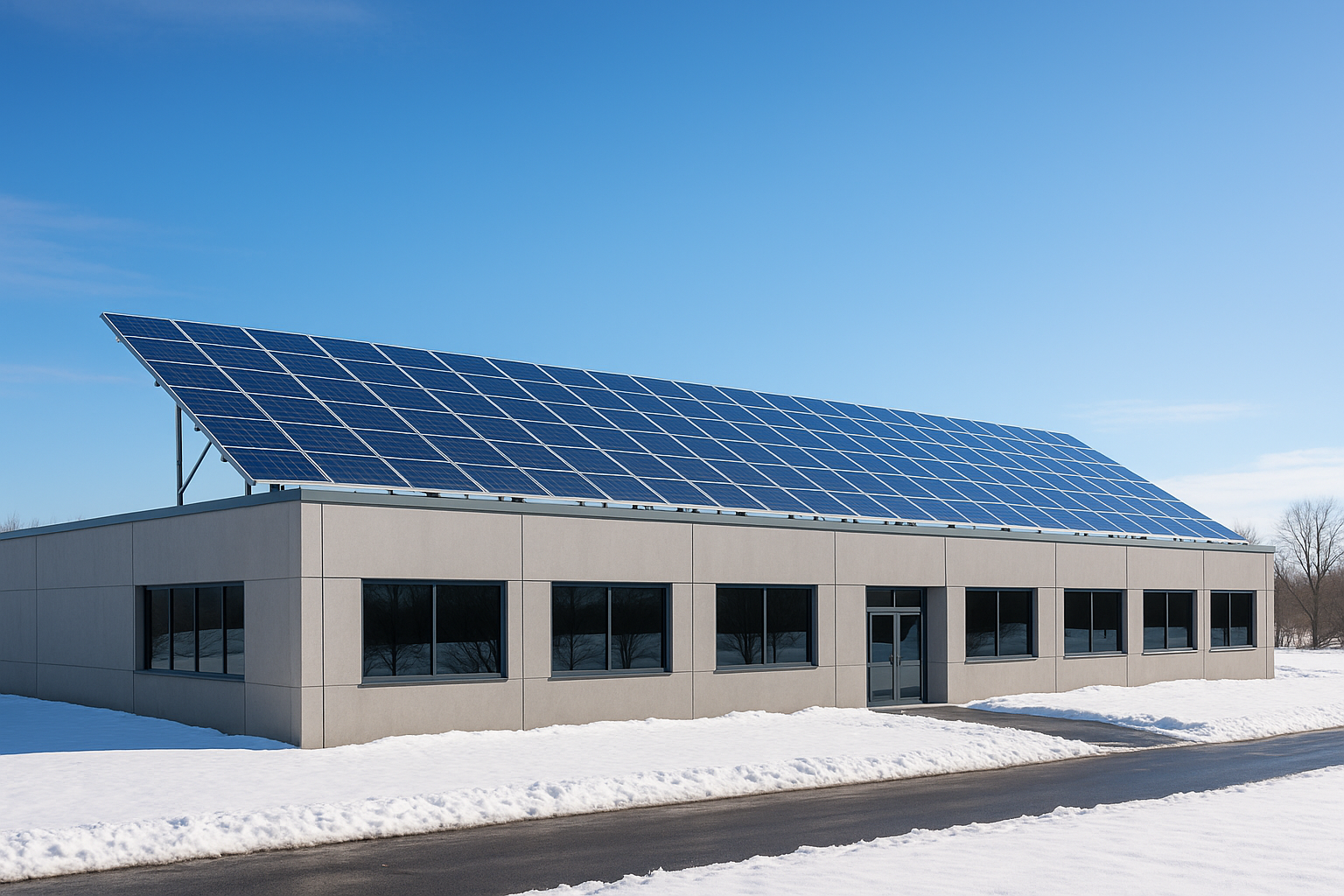
Why Solar Panels Still Work in Winter
1. Solar panels need light, not heat
Solar photovoltaic (PV) panels absorb photons from daylight. While bright sunshine maximises output, any available daylight — even diffused light on cloudy days — generates electricity.
This means your system won’t shut down just because the weather isn’t picture-perfect.
2. Cold weather boosts performance
Electronics generally operate better in cooler temperatures, and solar PV is no exception. Extreme heat can reduce efficiency, so winter’s crisp conditions can actually help panels work more effectively.
3. Cloudy and overcast? They still produce power
Clouds scatter sunlight, but they don’t eliminate it. Modern solar panels are designed to capture diffuse light, maintaining steady production. While output may be lower than in summer, you’ll still see meaningful energy generation.
4. Shorter days don’t stop the savings
Winter brings fewer daylight hours, meaning naturally less total energy. However, pairing your solar panels with a battery storage system ensures the energy you generate during the day can be used whenever you need it — evening, overnight, or during peak-rate periods.
5. Snow isn’t usually an issue
In the UK and many regions, heavy snow is rare. Even when it does fall, panels are angled so snow slides off, and the dark glass surface warms slightly when sunlight hits it, helping melt snow quickly.
Planning Ahead Matters — Especially for Commercial Three-Phase Systems
If you’re installing a commercial solar system that uses a three-phase connection, there’s an additional step to consider: your system must go through DNO (Distribution Network Operator) approval.
This approval ensures the local electricity network can safely accommodate the amount of power your system will generate. However:
Approval times vary by region, depending on how busy your local DNO is.
In some areas, this process can take weeks or even several months.
No commercial system can be energised until approval is granted.
That’s why planning now is essential.
Starting the process in winter means you’re far more likely to have approval in place — and your installation ready to go — by spring, when solar generation rapidly increases and the longer days begin to boost your savings.
Real Benefits of Winter Solar
Despite seasonal variations, homeowners with solar PV enjoy:
Lower electricity bills all year
Reduced reliance on the grid
Protection from rising energy prices
A smaller carbon footprint
Increased property value
Winter may change the amount of energy your panels produce, but it doesn’t stop them working — and it certainly doesn’t stop you saving.
Ready to Explore Solar for Your Property or Business?
We’d love to hear your plans for solar and see how we can help with your project. Now is a great time to get the ball rolling.