If you live or operate a business in Hampshire, Surrey, or Berkshire, switching to renewable energy is one of the smartest financial decisions you can make in 2025. But the big question remains:
What’s the return on investment (ROI)?
How quickly will a system pay for itself?
What is the Total Cost of Ownership (TCO)?
At UK Green Energy Installations (UKGEI), we’ve installed thousands of renewable systems — from small domestic solar arrays to large 100+ panel commercial setups — and the numbers are consistently impressive.
Below, we break down two real-world examples to show just how strong the financial case is.
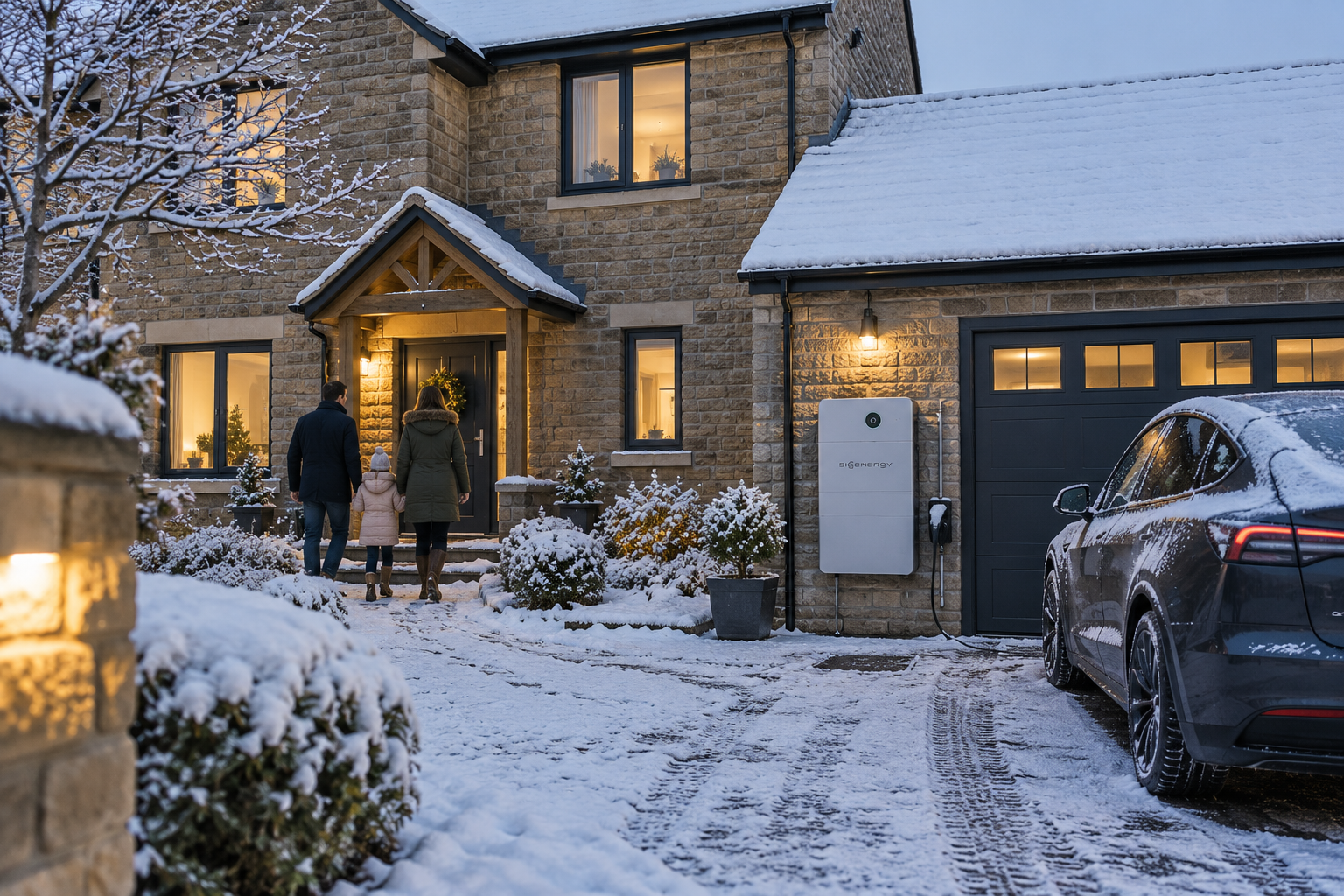
🔹 Example 1: Typical Domestic Solar + Battery System
System:
10 solar panels (4 kWp)
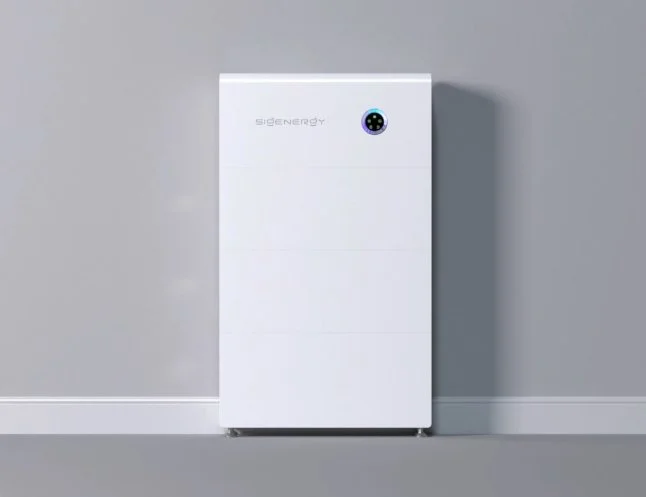
5–10 kWh home battery
Fully installed average cost: £8,000–£11,000
Estimated Annual Benefits – Domestic System
| Benefit | Amount |
|---|---|
| Bill savings | £700–£1,000/yr |
| Battery time-shifting via cheap rates | £150–£300/yr |
| SEG payments | £80–£160/yr |
| Total yearly benefit | £930–£1,460 |
Financial Summary
Payback period: 6–9 years
System lifespan: 25+ years
Net profit over life: £15,000–£25,000+
Carbon savings: ~900 kg CO₂ per year
✔ Domestic systems now often exceed 10–12% annual ROI — outperforming most savings accounts.
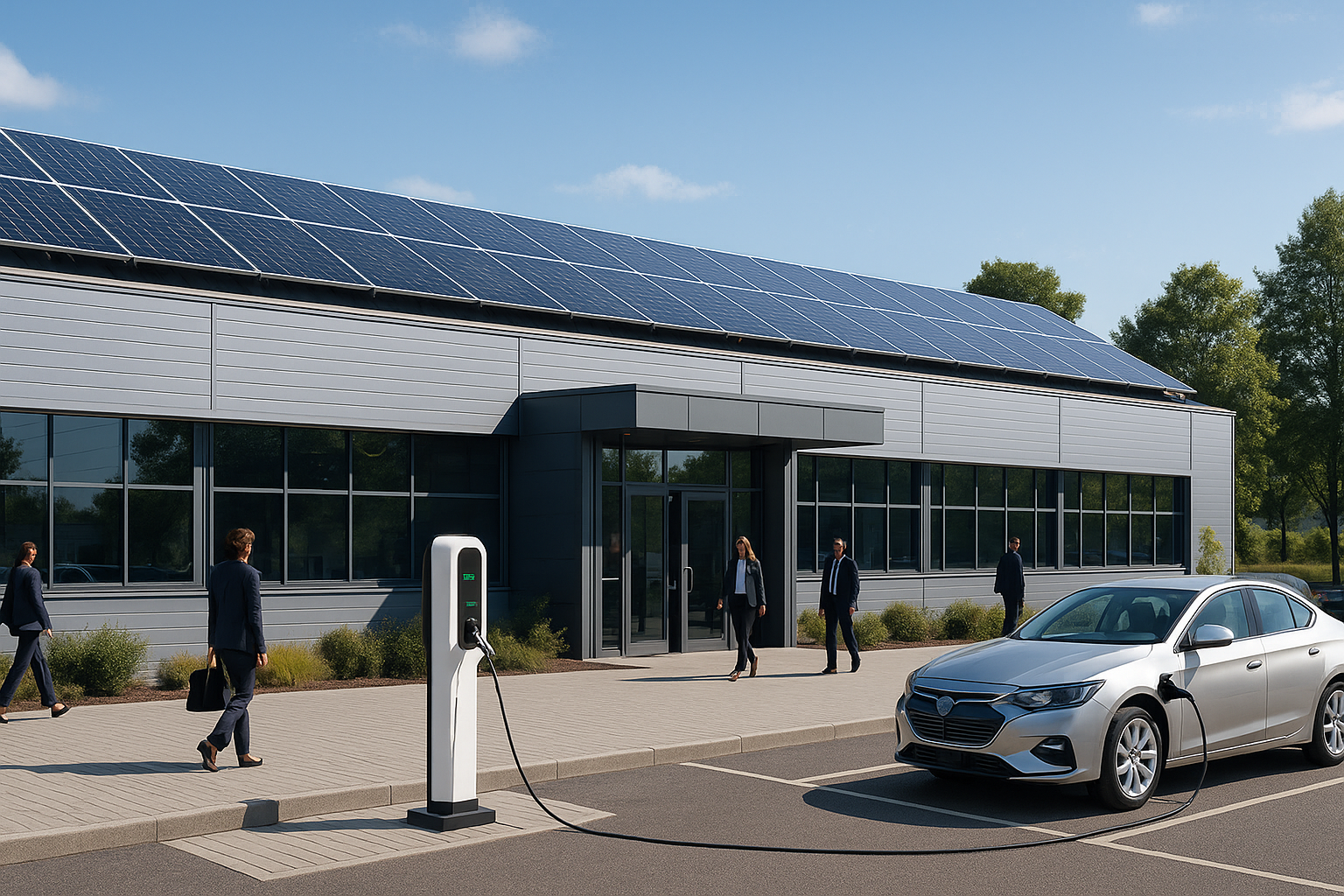
Example 2: Large Commercial Install (100–120 Panels)
System:
40–50 kWp solar array (approx. 100–120 panels)
Optional 3-phase battery storage
Installed cost range: £45,000–£65,000
Estimated Annual Benefits – Commercial System (100+ Panels)
| Benefit | Amount |
|---|---|
| Bill savings | £6,000–£10,000/yr |
| Export payments | £1,000–£2,000/yr |
| Enhanced reputation + ESG benefits | High intangible value |
Financial Summary
Payback period: 4–6 years
Annual ROI: 15–22%
Lifetime savings: £150,000–£250,000+
Carbon savings: 8–12 tonnes of CO₂ per year
✔ For commercial sites, solar is one of the strongest financial investments available today.
Why ROI is so strong in 2025
Energy prices remain high and volatile
Solar panel outputs have improved 20–30% in the last decade
Batteries make solar power far more usable
More businesses commit to ESG, net-zero and sustainability
Government incentives & export tariffs help offset costs
Ready to See Your ROI?
UKGEI provides:
✔ Full system design & costings
✔ Local surveys across Hampshire, Surrey & Berkshire
✔ Solar, battery and EV installations for homes & businesses
✔ Maintenance & ongoing support
Start your personalised ROI estimate below
Frequently Asked Questions FAQs on Solar ROI
1) How much money can a typical UK home save with solar panels and a battery in 2025?
A modern 4kW solar system paired with a 5–10kWh battery can save a UK household between £900 and £1,400 per year through bill reduction, time-of-use charging and SEG export payments. With system costs between £8,000–£11,000, most homes see a 6–9 year payback, with 25+ years of usable system life.
2) Is solar still worth it if my home is in Hampshire, Surrey or Berkshire?
Yes — these counties receive strong annual irradiation, making solar very effective. Properties in Hampshire, Surrey and Berkshire typically cover 50–80% of annual energy consumption, especially when combining solar with battery storage. ROI is higher here due to above-average local electricity costs.
3) What is the ROI on a commercial solar installation with 100+ panels?
A 100–120 panel commercial system (40–50kWp) usually delivers £6,000–£12,000 yearly savings, often achieving 15–22% annual ROI. Businesses typically see payback in 4–6 years, with lifetime financial gains exceeding £150,000–£250,000 depending on energy usage and export value.
4) How long do solar panels and batteries last before they need replacing?
Modern solar panels last 25–30 years, often producing over 85% of their original output even after two decades. Lithium batteries typically last 10–15 years, depending on depth of discharge and daily cycles. In most cases, panels outlast the inverter (usually replaced once every 10–12 years).
5) Can adding a battery make my solar system pay for itself faster?
Yes. Batteries significantly improve ROI by letting you use more of your solar energy at night and during peak pricing, often increasing self-consumption from 30–40% up to 70–90%. Homes using time-of-use tariffs can also charge cheaply overnight, improving overall payback and savings.
6) Do commercial buildings need planning permission for solar panels?
Most commercial solar systems fall under permitted development and don’t require planning permission unless the panels protrude more than 200mm, are on a listed building, or positioned near a boundary. UKGEI handles all compliance checks, site surveys and grid applications for you.
Please note: All ROI, annual savings and payback figures shown are illustrative estimates based on typical system sizes and average UK usage patterns. Real-world results vary depending on site conditions, energy consumption, local tariffs, export rates, equipment choice, shading, roof layout and system configuration. UKGEI provides a tailored survey and design to calculate accurate projections for your property or business.