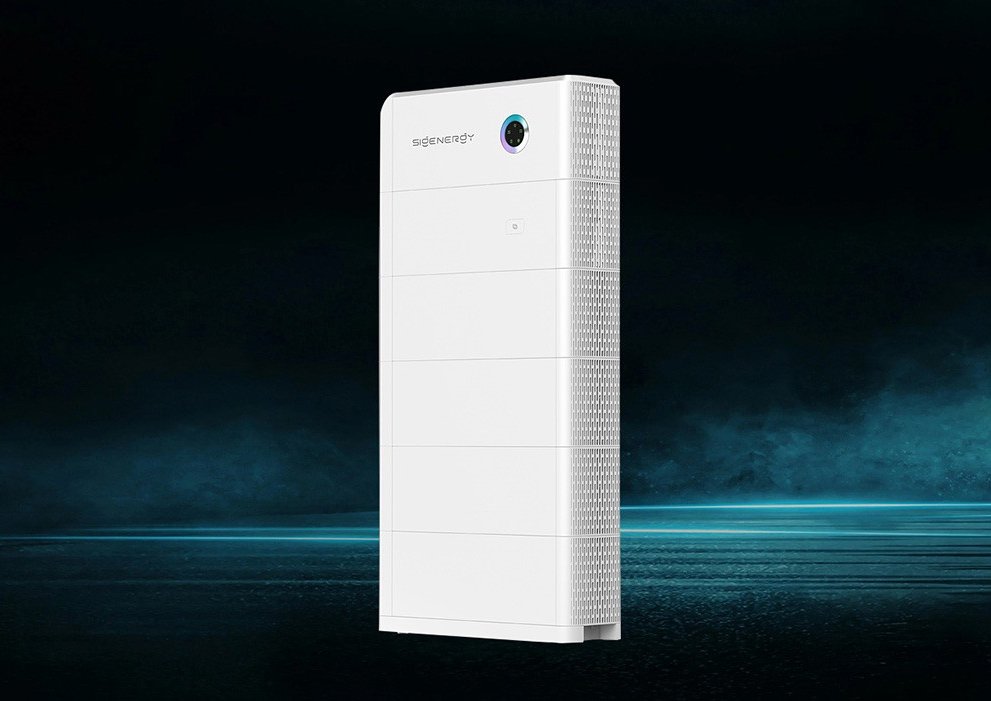
Take control of your home's energy from anywhere. Modern smart energy apps allow homeowners to monitor solar generation, battery storage, EV charging, and household energy usage in real time. Discover how integrated systems from leading manufacturers help maximise savings, improve efficiency, and give you complete visibility of your renewable energy system.
Why More UK Businesses Are Investing in Commercial Battery Storage
Discover why more UK businesses are investing in commercial battery storage to reduce energy costs, support EV charging infrastructure, improve energy resilience, and future-proof operations. Learn how scalable battery systems work with and without solar to help businesses gain greater control over their energy usage.
Don’t Want Solar Panels But Still Want To Reduce Your Energy Bills? Here Are 5 Smart Alternatives For UK Homes
Energy Price Uncertainty? Here’s How Businesses Can Regain Control
The blog explains that ongoing energy price uncertainty is making it difficult for businesses to forecast costs and maintain profitability. It highlights how investing in solutions like commercial solar and battery storage allows organisations to reduce reliance on volatile grid energy, stabilise expenses, and improve long-term financial control. The article positions renewable energy as a strategic move—turning energy from an unpredictable cost into a managed asset that supports resilience and sustainability.
Integration of Smart Home & Energy Systems: From Solar Inverter to Smart Thermostat to EV Charger
As UK homes embrace renewable energy, the next frontier isn’t just generating power — it’s connecting it. Smart homes are no longer limited to voice assistants or app-controlled lights. The real innovation is in linking solar panels, battery storage, smart thermostats, and EV chargers into one intelligent ecosystem that maximises efficiency, comfort, and savings.

Why Integration Matters
Many households already have solar panels, perhaps a home battery or an electric vehicle (EV). But without integration, each system works in isolation — your panels export to the grid while your EV charges at night, and your heating system runs without knowing your solar production.
A connected smart home, however, coordinates everything automatically:
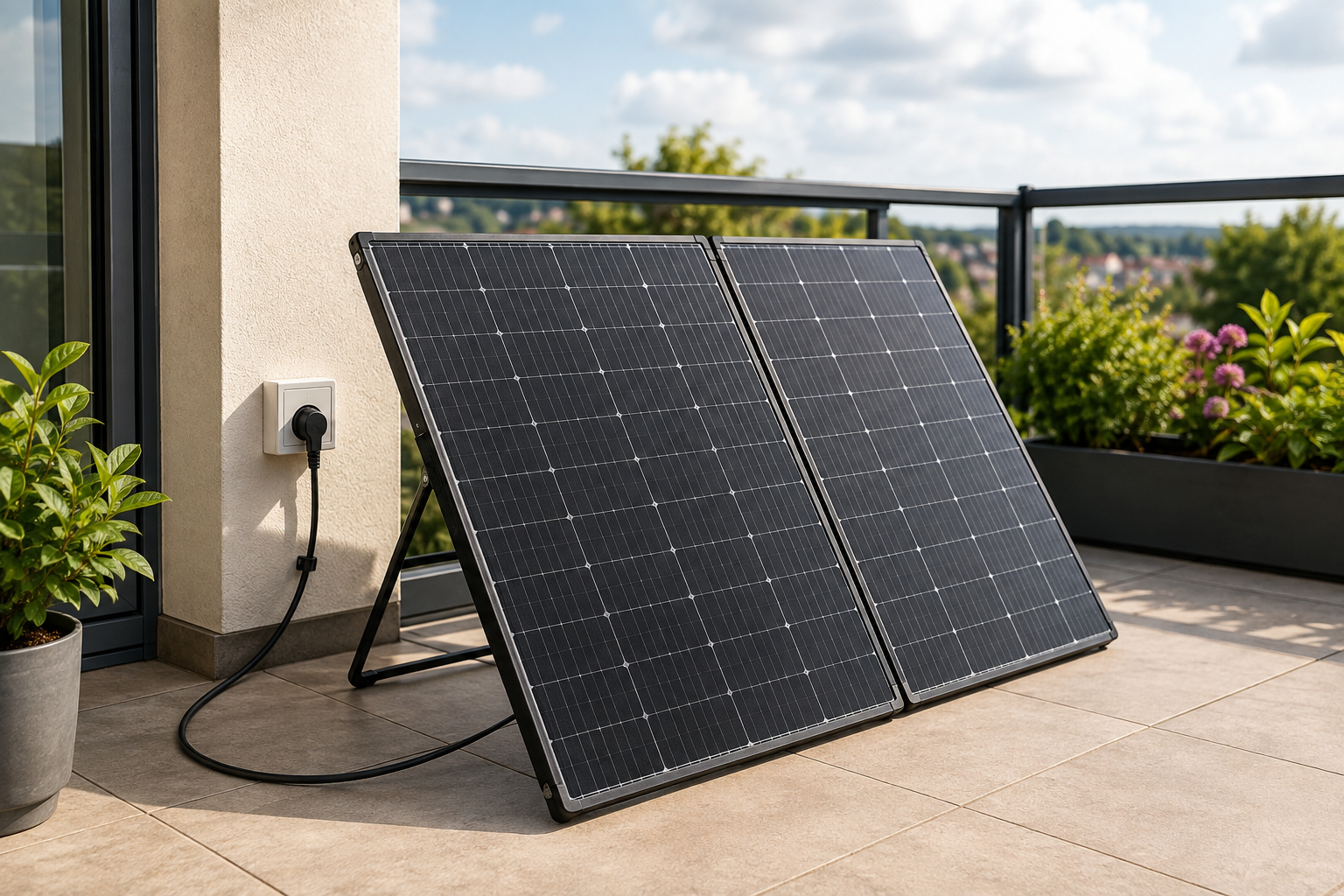
Solar inverter reports real-time generation.
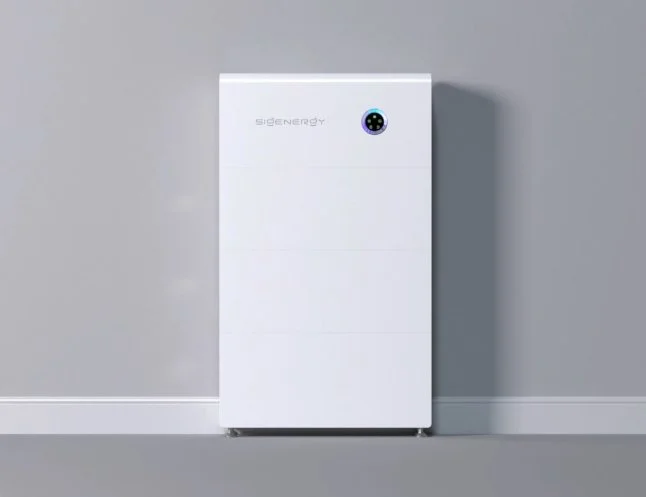
Battery system stores excess energy intelligently.
Smart thermostat adjusts heating based on available solar or cheaper tariff windows.
EV charger schedules charging when solar is abundant or tariffs are lowest.
This orchestration is known as demand shifting — moving your energy use to match renewable generation and off-peak prices. The result? Lower bills and a smaller carbon footprint.
How the Systems Communicate
Smart integration relies on communication protocols and platforms — the digital “languages” that devices use to talk to each other. Here’s a look at the most common and effective ones available in the UK.
Home Assistant
An open-source platform that acts as a “brain” for your smart home. It can connect devices from hundreds of manufacturers — including solar inverters (Fronius, SolarEdge, Victron), EV chargers (Zappi, Wallbox), and thermostats (Nest, Tado).
Runs locally (no cloud reliance).
Integrates energy dashboards showing generation, consumption, and battery levels in real time.
Highly customisable with automations (e.g. “charge EV only when battery above 60%”).
OpenHAB
Similar to Home Assistant, OpenHAB is another open-source option popular with advanced users.
Works across multiple standards (Z-Wave, Zigbee, MQTT).
Excellent for integrating legacy or less-common devices.
Ideal for users who prefer total control and custom logic.
Smart Hubs (Commercial Platforms)
For homeowners who prefer simpler, plug-and-play options:
Samsung SmartThings, Google Home, and Apple Home now support the new Matter standard, improving interoperability.
myenergi ecosystem (Zappi + Eddi + Harvi) offers seamless control between EV charging, immersion diversion, and solar systems — designed and built in the UK.
Tado and Hive integrate well with time-of-use tariffs and can respond automatically to cheap or green energy windows.
Real-World Example: A Day in a Connected Home
Imagine a typical winter’s day:
Morning sun hits your panels. Your inverter reports generation.
Home Assistant sees excess solar power and diverts it to charge your battery.
Your EV charger pauses because the battery is priority.
As evening approaches, the battery discharges to power your heating and lighting.
When your dynamic tariff hits off-peak (e.g. 11 pm), the system automatically charges your EV.
You wake up to a full car, a warm home, and an energy bill that’s 40–60% lower than before.
Benefits of a Fully Integrated Energy Ecosystem
Optimised energy use — Make the most of every kWh your panels generate.
Lower costs — Automatically shift loads to low-tariff or high-generation periods.
Reduced grid reliance — Maximise self-consumption, less export waste.
Improved comfort — Smart thermostats anticipate your needs without manual input.
Future-proofing — As the UK grid evolves, your system can adapt to new tariffs and technologies.
What’s Next for UK Homes
With Matter and Thread protocols becoming mainstream in 2025, device compatibility will become much simpler. Expect to see:
Easier plug-and-play integration between brands.
More solar- and EV-aware appliances (e.g. washing machines that start when solar is available).
Smarter grid interaction through upcoming Demand Flexibility Schemes.
How UKGEI Can Help
At UKGEI, we design and install solar, battery, and EV systems that are ready for smart home integration. Whether you’re starting fresh or want to connect your existing setup, our team can recommend compatible products, install communication gateways, and configure automations that make your home truly intelligent.
Talk to our experts to find out how your solar inverter, battery, and EV charger can finally work together.
Featured