6 Surprising Reasons Why Sigenergy Is the Smart Energy Choice (for Homes, Businesses & EVs)

Introduction

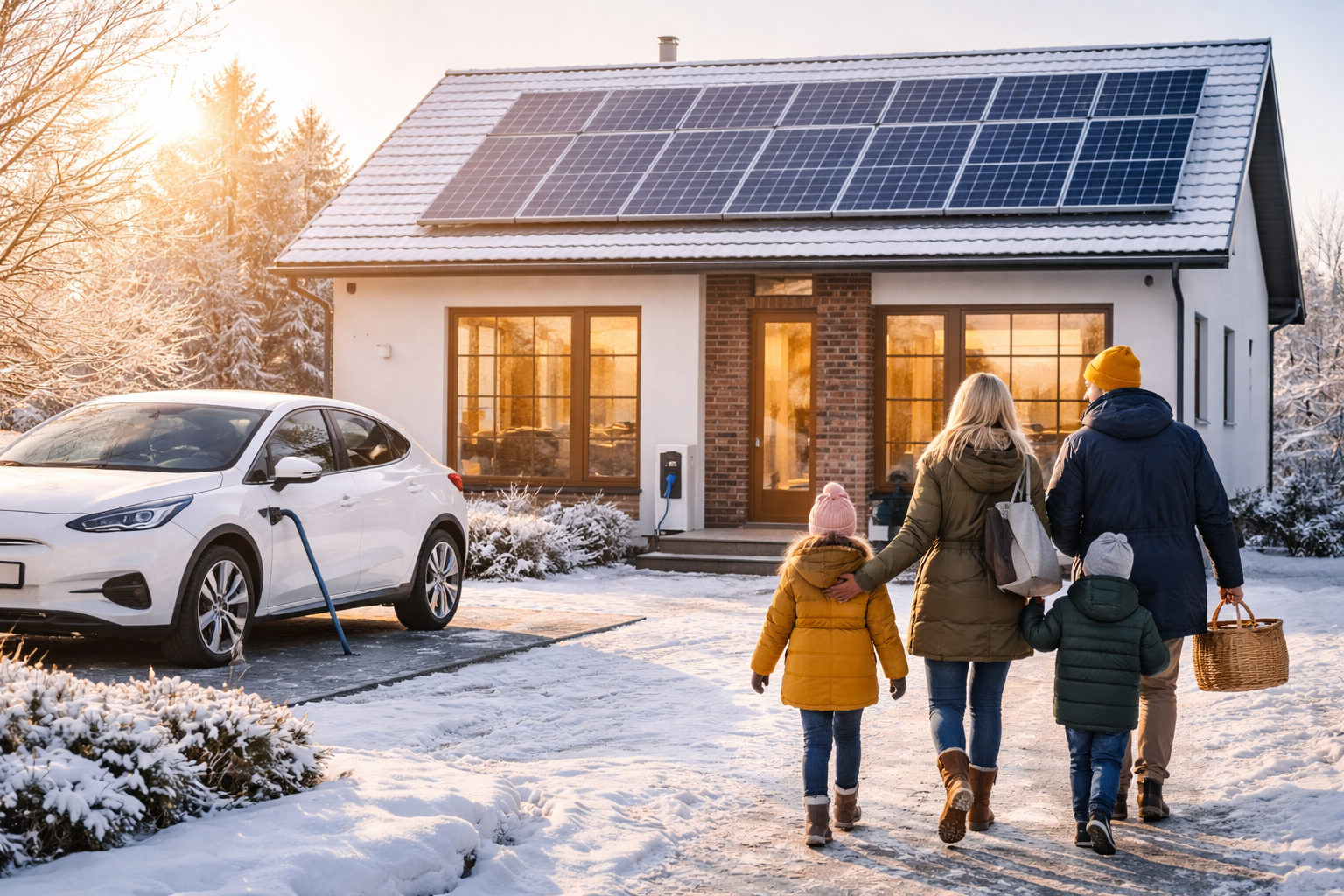
Energy independence, renewable power, and smart systems are no longer just buzzwords — they’re becoming essential. But not every solar + battery solution is created equal. Sigenergy (a leading solar equipment and battery storage provider) is quietly pushing boundaries, and here are five unexpected reasons why it’s worth your attention.

1. It’s a “5-in-One” Ecosystem, Not Just a Battery

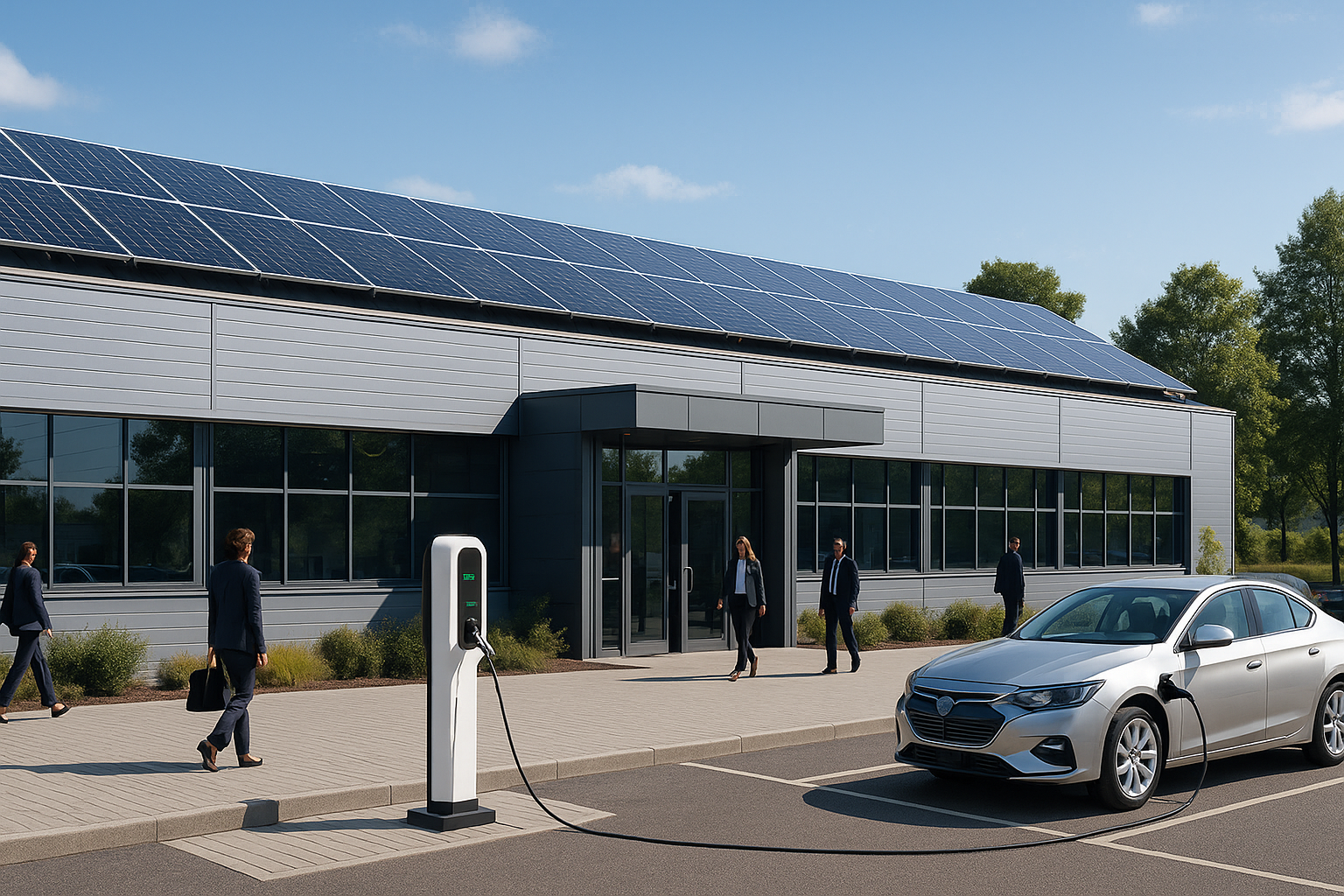
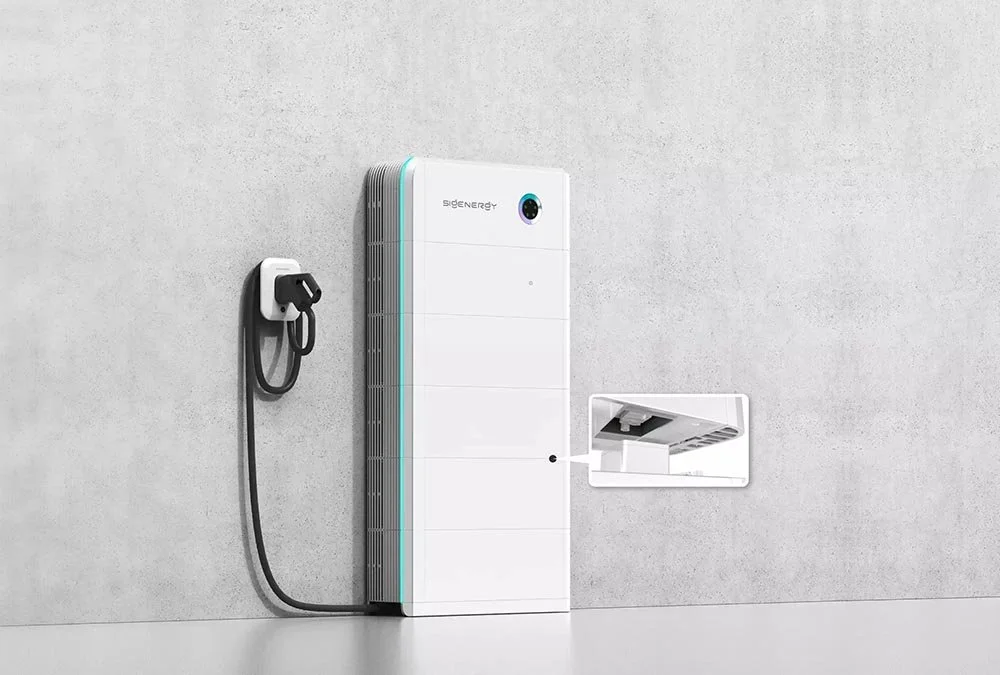
Many companies sell solar panels or battery backups. Sigenergy designs integrated systems combining solar inverters, energy storage (ESS), EV chargers, and smart energy management. This means fewer compatibility headaches, better system efficiency, and a unified user experience.

2. It Learns, Adapts & Optimizes Automatically

Sigenergy’s system doesn’t just store energy — it uses AI / intelligent algorithms to decide when to draw from the grid, when to discharge the battery, and when to charge the EV. Over time, it refines those decisions based on your usage patterns.

For homeowners and businesses, that means lower energy waste and cost savings without micromanaging.


3. Modular & Scalable — Grow When You’re Ready

Don’t need a full system all at once? No problem. Sigenergy’s modular design lets you start small and scale up as demand increases (e.g. adding more battery packs or more solar capacity).

For commercial / industrial clients, that’s especially appealing — you can expand in phases as budgets and usage evolve.


4. Designed for Future Energy Trends

Sigenergy isn’t stuck in the present. Their tech roadmap shows readiness for future concepts like vehicle-to-grid (V2G), grid services, and evolving standards. It’s not just about what works today — it’s about what will matter tomorrow.

This “future-proofing” is a strong selling point for tech-savvy customers and installers who want longevity.


5. Strong Global Growth, Stability & Innovation

You want vendors who last — not disappear when incentives change. Sigenergy has been expanding rapidly: new manufacturing bases, global reach, and deep R&D investment.

Plus, they’ve rebranded (from PointGuard Energy) to unify their identity and accelerate growth globally.


6. Easier Installation Means More Reliable Performance

One of the most underrated advantages of Sigenergy systems is how straightforward they are to install. Unlike complex setups that require multiple components from different brands, Sigenergy’s all-in-one ecosystem drastically reduces installation time and points of failure.

For installers, that means fewer wiring errors, fewer call-backs, and faster commissioning. For homeowners and businesses, it means a more reliable energy system from day one — one that’s configured exactly as the manufacturer intended.

Sigenergy’s plug-and-play architecture, pre-configured connections, and smart commissioning tools make setup smoother than traditional solar-battery combinations. That simplicity translates to lower installation costs and greater peace of mind.
Learn more

Integration of Smart Home & Energy Systems: From Solar Inverter to Smart Thermostat to EV Charger

As UK homes embrace renewable energy, the next frontier isn’t just generating power — it’s connecting it. Smart homes are no longer limited to voice assistants or app-controlled lights. The real innovation is in linking solar panels, battery storage, smart thermostats, and EV chargers into one intelligent ecosystem that maximises efficiency, comfort, and savings.

Why Integration Matters

Many households already have solar panels, perhaps a home battery or an electric vehicle (EV). But without integration, each system works in isolation — your panels export to the grid while your EV charges at night, and your heating system runs without knowing your solar production.

A connected smart home, however, coordinates everything automatically:

  • Solar inverter reports real-time generation.

  • Battery system stores excess energy intelligently.

  • Smart thermostat adjusts heating based on available solar or cheaper tariff windows.

  • EV charger schedules charging when solar is abundant or tariffs are lowest.

This orchestration is known as demand shifting — moving your energy use to match renewable generation and off-peak prices. The result? Lower bills and a smaller carbon footprint.

How the Systems Communicate

Smart integration relies on communication protocols and platforms — the digital “languages” that devices use to talk to each other. Here’s a look at the most common and effective ones available in the UK.

Home Assistant

An open-source platform that acts as a “brain” for your smart home. It can connect devices from hundreds of manufacturers — including solar inverters (Fronius, SolarEdge, Victron), EV chargers (Zappi, Wallbox), and thermostats (Nest, Tado).

  • Runs locally (no cloud reliance).

  • Integrates energy dashboards showing generation, consumption, and battery levels in real time.

  • Highly customisable with automations (e.g. “charge EV only when battery above 60%”).

OpenHAB

Similar to Home Assistant, OpenHAB is another open-source option popular with advanced users.

  • Works across multiple standards (Z-Wave, Zigbee, MQTT).

  • Excellent for integrating legacy or less-common devices.

  • Ideal for users who prefer total control and custom logic.

Smart Hubs (Commercial Platforms)

For homeowners who prefer simpler, plug-and-play options:

  • Samsung SmartThings, Google Home, and Apple Home now support the new Matter standard, improving interoperability.

  • myenergi ecosystem (Zappi + Eddi + Harvi) offers seamless control between EV charging, immersion diversion, and solar systems — designed and built in the UK.

  • Tado and Hive integrate well with time-of-use tariffs and can respond automatically to cheap or green energy windows.

Real-World Example: A Day in a Connected Home

Imagine a typical winter’s day:

  1. Morning sun hits your panels. Your inverter reports generation.

  2. Home Assistant sees excess solar power and diverts it to charge your battery.

  3. Your EV charger pauses because the battery is priority.

  4. As evening approaches, the battery discharges to power your heating and lighting.

  5. When your dynamic tariff hits off-peak (e.g. 11 pm), the system automatically charges your EV.

  6. You wake up to a full car, a warm home, and an energy bill that’s 40–60% lower than before.

Benefits of a Fully Integrated Energy Ecosystem

Optimised energy use — Make the most of every kWh your panels generate.
Lower costs — Automatically shift loads to low-tariff or high-generation periods.
Reduced grid reliance — Maximise self-consumption, less export waste.
Improved comfort — Smart thermostats anticipate your needs without manual input.
Future-proofing — As the UK grid evolves, your system can adapt to new tariffs and technologies.

What’s Next for UK Homes

With Matter and Thread protocols becoming mainstream in 2025, device compatibility will become much simpler. Expect to see:

  • Easier plug-and-play integration between brands.

  • More solar- and EV-aware appliances (e.g. washing machines that start when solar is available).

  • Smarter grid interaction through upcoming Demand Flexibility Schemes.

How UKGEI Can Help

At UKGEI, we design and install solar, battery, and EV systems that are ready for smart home integration. Whether you’re starting fresh or want to connect your existing setup, our team can recommend compatible products, install communication gateways, and configure automations that make your home truly intelligent.

Talk to our experts to find out how your solar inverter, battery, and EV charger can finally work together.

CHAT WITH US ABOUT YOUR NEEDS

Is Your Roof Suitable for Solar Panels?

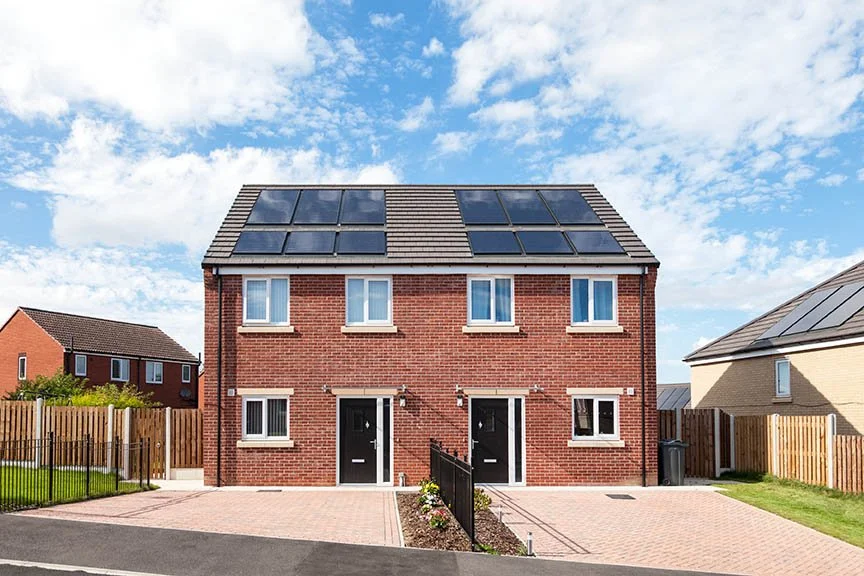
When people across Surrey, Hampshire, and Berkshire first consider solar, one question almost always comes up: “Is my roof suitable?”

The good news is that most homes can support a solar system. While not every roof is ideal, modern technology makes solar more flexible than ever. Here’s what you need to know when checking if your roof is ready for panels.

Is Your Roof Suitable for Solar Panels

1. Roof Orientation: Which Way Does It Face?

  • South-facing roofs: These get the most direct sunlight in the UK and deliver maximum efficiency.

  • East- and west-facing roofs: Still very effective, often generating around 80–90% of the energy of a south-facing system.

  • North-facing roofs: Less ideal, but sometimes possible with additional design considerations.

2. Roof Angle: Finding the Sweet Spot

Solar panels work best when angled between 30° and 40°. That said, don’t worry if your roof pitch is different:

  • Flatter roofs can use tilted mounting frames.

  • Steeper roofs may still perform well, though shading plays a bigger role.

3. Shading: The Silent Efficiency Killer

Nearby trees, chimneys, or tall buildings can reduce solar output. However, new technologies such as microinverters and optimisers help minimise shading impact, meaning partial shading doesn’t necessarily rule out solar anymore.

4. Roof Size: Do You Have Enough Space?

  • A typical 3–4 bedroom home needs 10–16 panels, which requires 20–30m² of roof space.

  • Smaller roofs can still make a meaningful difference — even 6 panels can noticeably reduce bills.

5. Roof Condition and Strength

Solar panels are lightweight (about 18–22kg each), but the roof should be in good condition before installation. A professional survey will check whether repairs are needed first.

6. Local Considerations in Surrey, Hampshire & Berkshire

  • Surrey: Many homes are in conservation areas. Solar is often permitted development, but visible installations on listed buildings may need planning approval.

  • Hampshire: Larger rural properties often benefit from expansive, south-facing roofs perfect for higher-capacity systems.

  • Berkshire: Many towns feature modern builds with uniform roof angles, making installation straightforward.

Always check with your installer about local planning rules — most will handle applications on your behalf.

7. Common Misconceptions About Roof Suitability

  • “My roof isn’t south-facing, so solar won’t work.”
    → East- and west-facing roofs can still be very efficient.

  • “My roof is too small.”
    → Even a smaller system lowers bills and gives energy independence.

  • “Solar panels are too heavy.”
    → Most roofs can easily support panels. Only very old or damaged roofs need reinforcement.

8. What If My Roof Isn’t Suitable?

If your roof really isn’t right for panels, alternatives exist:

  • Ground-mounted systems: Ideal for properties with land.

  • Solar carports: Panels integrated into covered parking areas.

  • Community solar schemes: Shared solar projects that let you benefit even if your home can’t host panels.

Conclusion: Checking Your Roof Suitability

In most cases, your roof will be suitable for solar — even if it’s not perfectly south-facing or textbook angled. The best way to find out is with a professional, no-obligation survey.

If you live in Surrey, Hampshire, or Berkshire, we can assess your home and let you know exactly how much energy (and money) you could save with solar.

Book your free survey today and take the first step towards clean, renewable energy.

CONTACT US FOR A FREE SURVEY

Frequently asked questions (FAQs)

  1. What makes a roof “suitable” for solar panels?
    — Orientation, pitch/angle, shading, structural integrity, roof condition, space availability, and local planning constraints all play a role.

  2. Does my roof have to face south for solar to work well?
    — No — south-facing is optimal, but east- or west-facing roofs often still generate 80–90% of what a south-facing system might. (Your blog already mentions this.)

  3. What roof angle is ideal?
    — Generally 30°–40° is a sweet spot. Flatter or steeper roofs may still be workable using mounting systems or design tweaks.

  4. What about shading — how much does it reduce output?
    — Even partial shading (chimneys, nearby trees, neighboring buildings) can reduce efficiency, but microinverters or optimisers can mitigate some of the loss.

  5. Does the roof need to be in perfect condition before installing solar panels?
    — The roof should be structurally sound. If there are damaged tiles, leaks, or aging structure, repairs may be needed before installation.

  6. How much roof space do I actually need?
    — That depends on your desired system size and your energy needs. A typical 3–4 bedroom home might need 20–30 m² for 10–16 panels, but smaller systems are also viable.

  7. Do solar panels weigh too much for my roof?
    — Generally not — panels are relatively light (e.g. ~18–22 kg each). Most roofs can safely bear them, but very old or weak structures should be evaluated.

  8. Can I install solar panels if my roof is north-facing?
    — It’s much less efficient and often not recommended, but in some cases with optimisers or alternative configurations it might still offer value (especially if subsidies or battery storage are involved).

  9. What about roof-mounted vs ground-mounted systems — when should I choose one over the other?
    — If your roof isn’t suitable (shape, orientation, shading, structural issues), ground-mounted or solar carports might be better alternatives.

  10. Will I need planning permission or local approvals?
    — In many cases solar is “permitted development,” but if your property is listed, in a conservation area, or the panels are very visible, local authority permission may be required.

  11. What is the process for a site survey / assessment?
    — What the survey will check (orientation, structure, wiring, shading analysis), how long it takes, what information the homeowner should provide, etc.

  12. How much energy can I expect to generate?
    — This will depend on roof factors, system size, local irradiance, and system efficiency. You can offer a rough estimate or reference tools/calculators.

  13. What if part of my roof is shaded (trees, chimneys)?
    — You may be able to place panels on the least shaded section, use microinverters/optimisers, or include more panels to compensate.

  14. How long does solar panel installation take?
    — Typical installations for residential properties might take 1–2 days (for the panels), plus time for inspections and grid connection.

  15. How much maintenance do solar panels need?
    — Very little — occasional cleaning, ensuring no detritus, and periodic inspections. Monitoring systems help detect performance drops.

  16. How will the panels affect my roof warranty or insurance?
    — It depends on your insurer and roof supplier — sometimes adding panels requires notifying insurers or updating warranties.

  17. Can I retrofit panels if I have an unusual roof shape or material (slate, tile, metal)?
    — Yes — with proper mounting hardware and design adaptation, panels can be applied to most roof types (tiles, metal, slate), but some mounting may be more complex.

  18. What happens if I want to upgrade or remove the panels later?
    — Panels can generally be removed and reinstalled, but it will involve some effort, and roof access might require care to avoid damage.

  19. What if my roof is too small for all the energy I need?
    — You can combine solar with battery storage, demand management, or consider community solar / shared installations.

  20. Is solar still worth it if my roof is only “moderately” suitable?
    — Often yes — with correct design, you can still get a solid return on investment. Even 70–80% efficiency relative to “ideal” often has a good payback.

How to Use Your EV Battery to Support Your Home: UK Guide to Smart Power Sharing

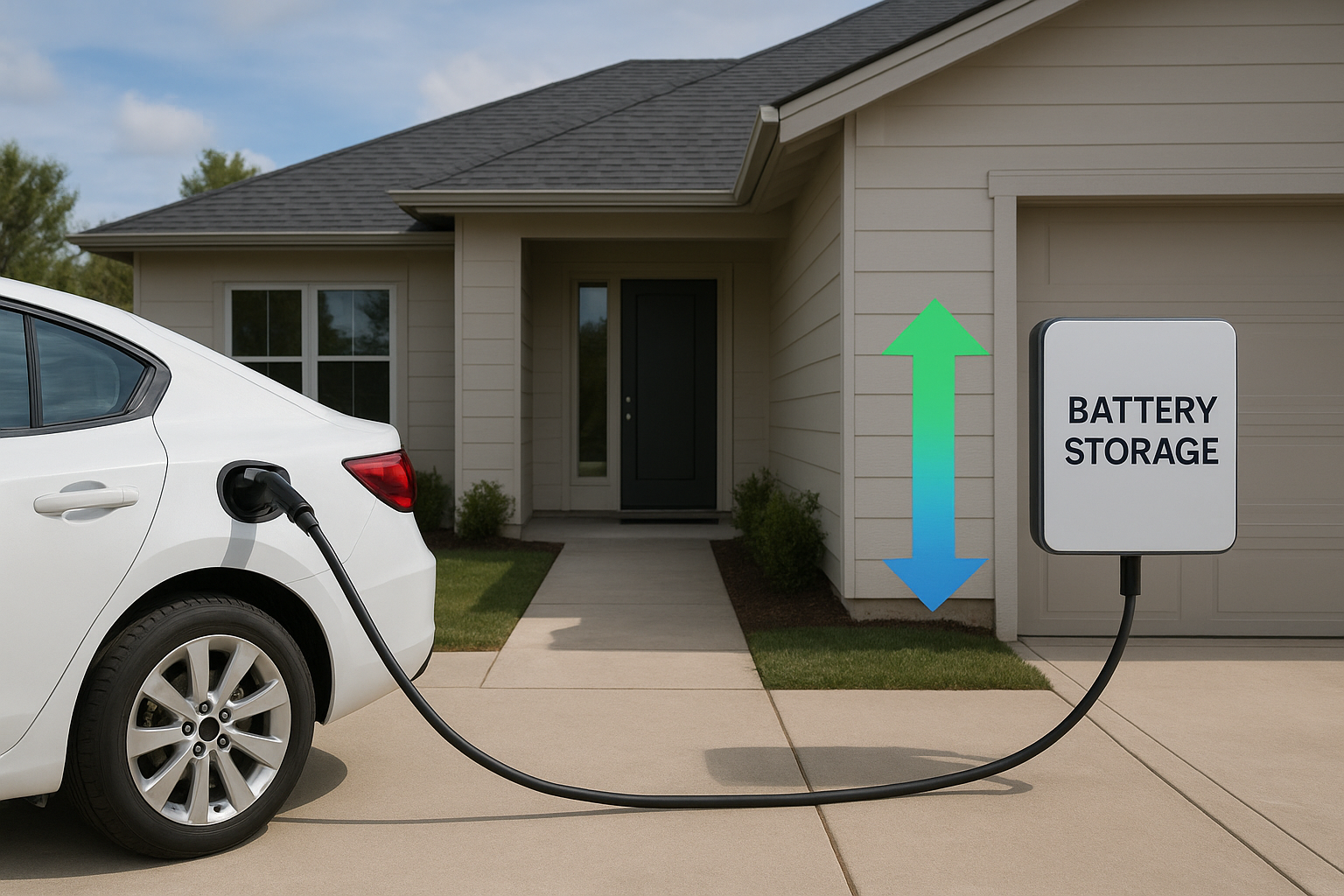
As electric vehicles (EVs) and home battery storage become more common in the UK, homeowners are discovering a powerful new advantage: your car battery can act as an extra energy reserve for your home.

Instead of worrying about your home battery running out and relying on expensive grid electricity, you can borrow energy from your EV during peak hours. Later, when cheaper tariffs usually kick in after 7pm, you simply recharge both your car and your home battery overnight at a lower rate.

With the right setup, this two-way energy sharing—known as vehicle-to-home (V2H)—helps you cut bills, avoid peak costs, and make your household energy system far more resilient.

What Is Two-Way Power Sharing?

Two-way (bi-directional) energy systems allow electricity to flow in both directions:

  • Battery → EV: Charge your car using your home battery or solar when surplus energy is available.

  • EV → Home: Feed electricity from your car battery back into your house when your home battery is depleted.

Think of it as turning your EV into a mobile power bank for your home.

Why Borrow Power From Your EV Battery?

In the UK, electricity tariffs vary throughout the day. Peak rates in the afternoon and early evening can be expensive, while cheaper “time-of-use” rates often start from 7pm or later.

By using your EV to cover your household needs when your home battery is empty, you can:

  • Avoid Peak Tariffs – Reduce reliance on costly grid electricity.

  • Maximise Cheap Night Rates – Recharge both home and EV batteries during off-peak hours.

  • Improve Energy Security – Keep your home running even when solar or stored energy runs low.

Smart Ways to Manage EV-to-Home Energy Flow

1. Set Energy Priorities

Most smart inverters allow you to choose where energy goes first. By prioritising your home, your EV acts as backup rather than the main power source.

2. Use Time-of-Use Scheduling

Plan your recharging around your supplier’s tariff. For example, discharge your EV into your home during expensive hours, then recharge both batteries overnight on a cheaper tariff.

3. Monitor With Apps

Modern EVs and home energy systems come with apps that track real-time energy flow. You’ll see exactly how much is borrowed from your car and when it’s best to top everything up.

Future of EV-to-Home Energy in the UK

The idea of vehicle-to-home charging is growing quickly in the UK energy market. In the near future, we can expect:

  • Smarter tariffs designed for households with EVs and home batteries.

  • Dynamic balancing systems that automatically shift energy between home, EV, and grid for maximum savings.

  • Greater resilience, turning every EV into a reliable backup power source.

Bottom Line

Home energy management is no longer just about storing solar in a battery—it’s about using your EV as part of your energy strategy. By borrowing from your car battery when your home battery is depleted, and recharging both during cheaper night tariffs, you can save money, reduce grid reliance, and future-proof your household energy system.

Frequently Asked Questions (FAQs) About EV-to-Home Power in the UK

Can I use my EV battery to power my home in the UK?

Yes. If you have a vehicle and charger that support vehicle-to-home (V2H) technology, you can power your home using your EV. In areas like Surrey, Hampshire, and Berkshire, more homeowners are installing compatible chargers to take advantage of cheaper tariffs and energy independence.

Is vehicle-to-home energy worth it in the South East?

Absolutely. Households in Surrey, Hampshire, and Berkshire can see real savings by using V2H. Instead of paying high peak rates, you can borrow from your EV battery when your home battery is empty, then recharge both on cheaper night tariffs.

Will using my EV to power my home damage the battery?

No—modern EVs are designed for bi-directional charging. The battery management systems in most compatible cars carefully control charging and discharging to minimise wear, so it’s safe for both your EV and your home setup.

What UK energy tariffs work best for EV-to-home charging?

Time-of-use tariffs such as Octopus Go, OVO Anytime, or other off-peak EV tariffs are ideal. Many homeowners in Surrey, Hampshire, and Berkshire already use these to recharge both their EV and home battery at night when electricity rates are lowest.

Can I get vehicle-to-home installed in Surrey, Hampshire, or Berkshire?

Yes. Local installers in these counties are increasingly offering V2H-compatible systems, including solar integration, home battery storage, and bi-directional EV chargers. Choosing a specialist in your area ensures your system is set up correctly and optimised for UK tariffs.

Solar Battery Storage: AC-Coupled vs Hybrid Inverters – Which Is Right for You?

As solar power adoption grows across the UK, more households and businesses are exploring battery storage to maximise the benefits of their solar panels. But when adding storage, one of the most important decisions is how your batteries connect to the system — and that comes down to choosing between an AC-coupled inverter and a hybrid inverter.

Both options have their advantages, and the right choice will depend on whether you’re installing a new solar system or retrofitting to an existing one.

What Is a Hybrid Inverter?

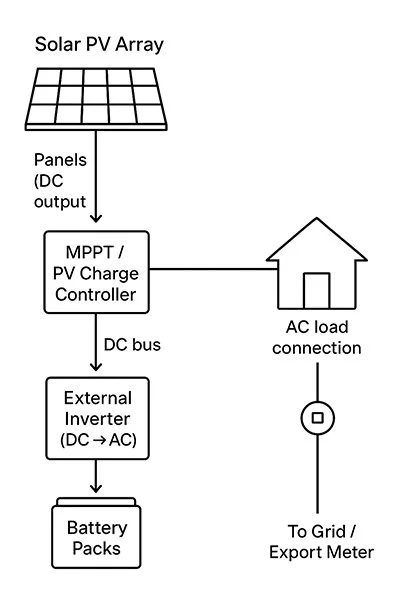
A solar inverter converts the direct current (DC) electricity generated by solar panels into alternating current (AC), which powers your home. Some batteries include built-in inverters, while others rely on external inverters.

A hybrid inverter is a single device that manages both your solar panels and battery storage.

  • It takes DC electricity directly from your solar panels.

  • It can send that DC into your batteries for storage.

  • It also converts DC → AC for household use and export to the grid.

In short: one piece of equipment does it all.

✅ Simplifies installation
✅ Space-saving design
✅ Higher efficiency (less energy lost in conversions)

❌ More expensive upfront if you already own a standard solar inverter
❌ If the hybrid inverter fails, both solar and battery stop working


What Is an AC-Coupled Inverter?

An AC-coupled inverter is a separate battery inverter that works alongside your existing solar inverter.

  • The solar inverter converts solar DC → AC for your home.

  • The AC-coupled inverter then takes that AC, re-converts it into DC to charge the battery, and back into AC when discharging.

In short: it’s an add-on that lets you keep your existing setup.

✅ Ideal for retrofits (you don’t need to replace your solar inverter)
✅ Flexible — easy to upgrade or replace components separately
✅ Can sometimes keep solar and battery running independently if one fails
❌ Slightly less efficient (extra conversion steps)
❌ Requires more wiring and space

Which Is Right for You?

  • Installing a brand-new solar system?
    A hybrid inverter is usually the most efficient and tidy solution, giving you seamless integration and fewer energy losses.

  • Already have solar panels?
    An AC-coupled inverter is often the smarter choice, letting you add batteries without scrapping your existing equipment.

At the end of the day, both options can deliver reliable savings and greater energy independence. The best choice depends on your setup, your budget, and how future-proof you want your system to be.

AC-Coupled vs Hybrid Inverters — quick comparison to help you decide
Feature Hybrid Inverter AC-Coupled Inverter
Best For Brand-new solar + battery installs where simplicity and efficiency are priorities. Retrofitting battery storage to an existing solar system without replacing the solar inverter.
Efficiency Higher — direct DC coupling reduces conversion losses (fewer DC↔AC stages). Lower — involves extra conversions (solar DC→AC then battery AC→DC→AC), which can slightly reduce round-trip efficiency.
Installation One combined unit, simpler wiring and a more compact footprint; quicker install overall. Requires separate solar and battery inverters, more wiring and space — typically a longer install.
Upfront Cost Often better value when starting fresh (one device handles everything), though hybrid units can be pricier per unit. Can be cheaper for retrofits because you keep your existing solar inverter; battery inverter is an add-on.
Flexibility / Scalability More limited — you’re constrained by the hybrid unit’s specs and upgrade path. Highly flexible — easier to scale storage, change brands, or replace a single component later.
Resilience / Redundancy Single point of failure: if the hybrid inverter fails, both PV generation and battery may be offline. Greater independence: solar and battery systems can sometimes operate separately if one inverter fails.
Typical Use Case (short) New install — households wanting a tidy, efficient integrated system. Retrofit — owners who already have solar and want to add storage without major replacement.

Note: hybrid inverters are typically the most efficient for new installs; AC-coupled setups offer flexibility for retrofits.

Ready to Explore Your Options?

At UK Green Energy Installations, we design and install tailored solar and battery solutions across the South of England. Whether you’re starting fresh or upgrading an existing system, we’ll help you choose the right inverter technology to maximise your investment.

📞 Contact us today to discuss your solar battery storage options on 0333 577 5229

REQUEST A CALL BACK TO DISCUSS BATTERY STORAGE

Solar Panels in the UK: Top 10 FAQs Answered

Are you considering solar panels for your home or business in the UK? Solar energy is one of the fastest-growing renewable sources, offering long-term savings and a smaller carbon footprint. But it’s normal to have questions before making the investment. We’ve compiled the top 10 FAQs about solar panels in the UK to help you make an informed decision.

1. How much do solar panels cost in the UK?

The cost of solar panel installation varies depending on system size, type, and quality. For most UK homes, a standard domestic system costs between £4,000 and £8,000. While this might seem high upfront, government incentives and energy savings often offset the cost over time. Find out more

2. How much can I save on my electricity bills?

Savings depend on your household energy usage, roof orientation, and the size of your system. On average, UK households can save around £200–£400 per year. If you use a lot of electricity during the day when your panels are producing energy, savings can be even higher.

3. Do solar panels work in the UK’s cloudy weather?

Yes! Modern solar panels are designed to work efficiently even in low-light conditions. While they generate less electricity on cloudy days compared to sunny days, they still produce enough energy to make a noticeable difference to your bills.

4. How long do solar panels last?

Panels generally have a 25-year performance guarantee but can continue producing energy for 30+ years with minimal maintenance.

5. Do I need planning permission?

Most domestic installations don’t require planning permission. Exceptions include listed buildings, conservation areas, and some flat roofs. Check with your local council.

6. Can I sell excess electricity back to the grid?

Through the Smart Export Guarantee (SEG), you can sell surplus electricity and earn extra income. It’s a great way to maximize the financial benefits of solar.

7. Will solar panels increase my home’s value?

Yes. Energy-efficient homes are more attractive to buyers. Solar panels can increase property value while reducing ongoing energy costs.

8. What maintenance do solar panels need?

Minimal maintenance is required. Panels are weather-resistant and only need occasional cleaning and inspection.

9. Are solar panels suitable for all roof types?

Pitched roofs, especially south-facing, are ideal. Flat or partially shaded roofs may require angled mounts or microinverters. A professional assessment ensures optimal performance.

10. How long to recoup installation costs?

UK homeowners usually recoup costs in 6–12 years. After this, electricity is effectively free, and you continue enjoying savings for decades. Find out about ROI here.

Final Thoughts

Switching to solar panels is a smart investment for both your wallet and the environment. With lower installation costs, government incentives, and the ability to sell excess electricity, solar energy has never been more accessible.