How to Build a Home Energy System That Minimises Grid Reliance

Energy prices remain unpredictable, grid capacity is tightening in parts of the UK, and more homeowners are asking the same question:

“How can I reduce my reliance on the grid?”

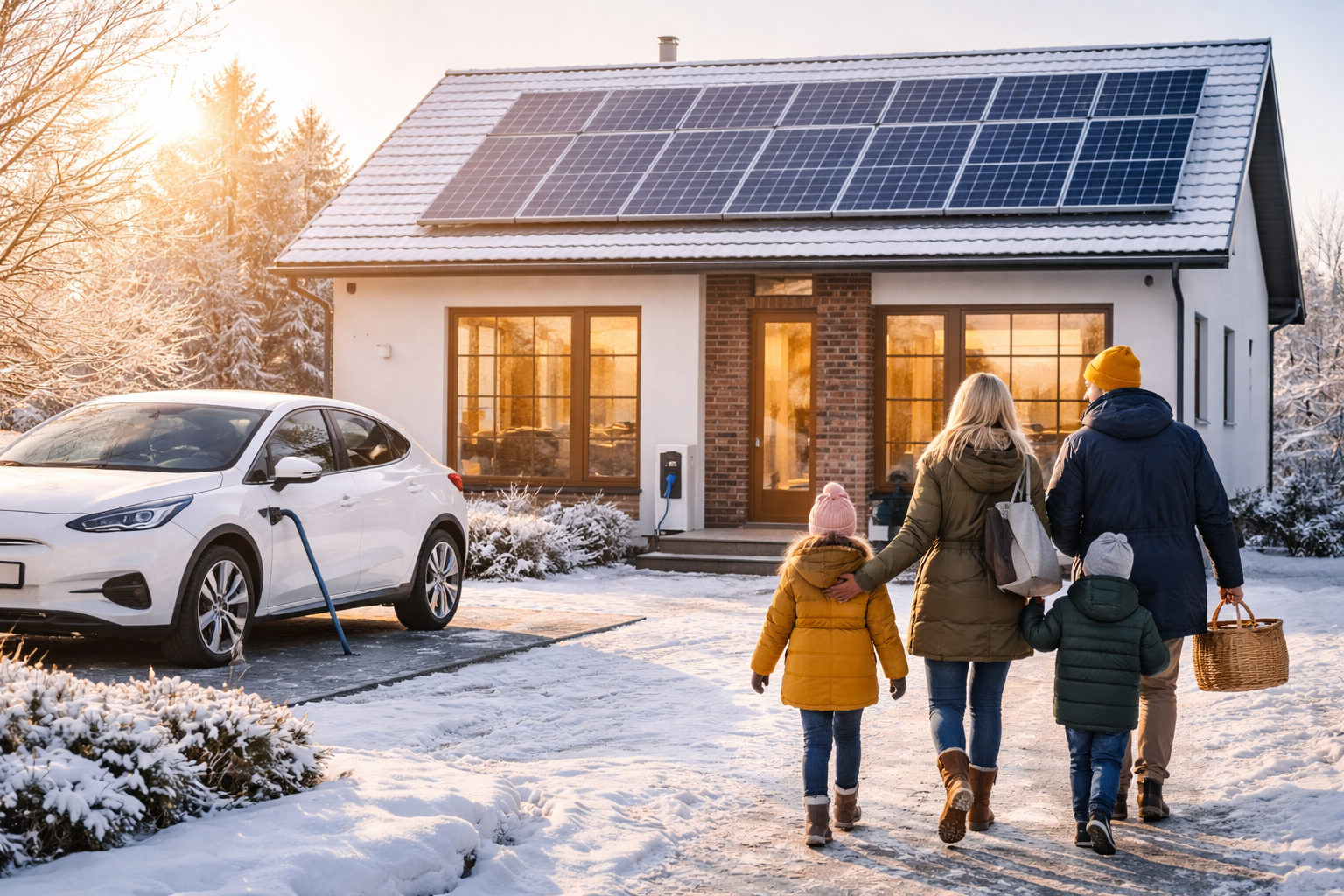
The answer isn’t just solar panels — it’s a properly designed, integrated home energy system. When solar, battery storage, EV charging and smart tariffs work together, you can dramatically reduce the amount of electricity you buy from the grid.

How to Build a Home Energy System That Minimises Grid Reliance

Here’s how to build a system that does exactly that.

Step 1: Start With Solar PV (Your Generation Layer)

Solar panels are the foundation of any low-grid home. Our solar panel installation services are designed to maximise generation and long-term savings.

A typical 4-6 kWp residential system in the South East can generate 3,500 to 5,000 kWh per year, covering a large proportion of daytime electricity usage.

To minimise grid reliance:

  • Maximise usable roof space where viable

  • Consider panel efficiency and orientation

  • Plan future expansion (EVs, heat pumps, extensions)

Solar reduces the electricity you need to buy - but on its own, it won’t eliminate grid use.

Why? Because most homes generate power in the day but use it in the evening.

That’s where storage comes in. Adding home battery storage allows you to store excess energy and reduce evening grid imports.

Step 2: Add Battery Storage (Your Control Layer)

A battery allows you to:

  • Store excess solar energy during the day

  • Use it in the evening instead of buying from the grid

  • Charge from cheap off-peak tariffs

  • Provide optional backup power

Without storage, many homes only use 30 to 40% of their solar energy directly.

With a battery, self-consumption can rise significantly - reducing both grid import and peak-rate exposure.

For most homes, a 5–15 kWh battery system is typical, depending on daily usage and savings goals.

Step 3: Optimise With Smart Tariffs

Even with solar and storage, you’ll likely still draw some grid electricity — especially in winter.

Smart time-of-use tariffs allow you to:

  • Charge your battery overnight at low rates

  • Discharge during peak-rate hours

  • Reduce average electricity cost

This is particularly effective for:

  • EV owners

  • Electrically heated homes

  • Higher energy households

When configured properly, your system automatically shifts energy use to the cheapest times.

Step 4: Integrate EV Charging

An EV is often the largest new electrical load in a home.

If unmanaged, it increases grid reliance.

If integrated correctly, it becomes part of your energy ecosystem.

A smart EV charger can:

  • Prioritise solar charging

  • Use stored battery energy

  • Charge during off-peak periods

  • Avoid peak tariff spikes

When combined with a smart EV charger, your system becomes a fully integrated energy solution.

Done properly, your EV becomes a controllable asset rather than a grid drain.

Step 5: Design for the Right Size (Avoid Underbuilding)

One of the biggest mistakes homeowners make is under-sizing systems.

To genuinely reduce grid reliance, your system should be designed around:

  • Annual kWh consumption

  • Evening and peak usage

  • Future loads (EV, heat pump, home office)

  • Desired backup capability

This is why professional system design and modelling matters - not just installing panels and hoping for the best.

Step 6: Understand Seasonal Reality

No UK home is 100% off-grid year-round without extreme oversizing.

In winter:

  • Solar generation drops

  • Heating demand rises

  • Grid use increases

The goal isn’t total independence.

The goal is:

  • Minimising peak-rate exposure

  • Reducing annual grid imports

  • Maximising self-generated energy use

  • Protecting against price volatility

What Does a Low-Grid Home Look Like?

A well-designed system in Surrey, Hampshire or Berkshire might include:

  • 5–8 kWp solar array

  • 10–15 kWh battery storage

  • Hybrid inverter

  • Smart EV charger

  • Time-of-use tariff optimisation

This can dramatically reduce reliance on the grid and increase energy independence — especially in spring, summer and autumn.

Is It Worth It?

For many households in the South East:

  • Electricity savings improve ROI

  • Exposure to price spikes reduces

  • Backup capability adds resilience

  • Property appeal increases

The key is integration.

Solar alone reduces bills.
Battery alone shifts costs.
Tariffs alone reduce rates.

Combined, they form a complete energy strategy.

Final Thoughts

Minimising grid reliance isn’t about going fully off-grid.

It’s about:

  • Smarter design

  • Smarter storage

  • Smarter usage

When your system is built as one ecosystem rather than separate components, it becomes far more powerful.

If you’re considering building a home energy system tailored to your usage, our team at UK Green Energy Installations can assess your property and provide a detailed projection based on real consumption data.

Top 5 Questions Businesses Ask About Solar & Battery Storage

A Guide for Companies in Hampshire, Surrey & Berkshire

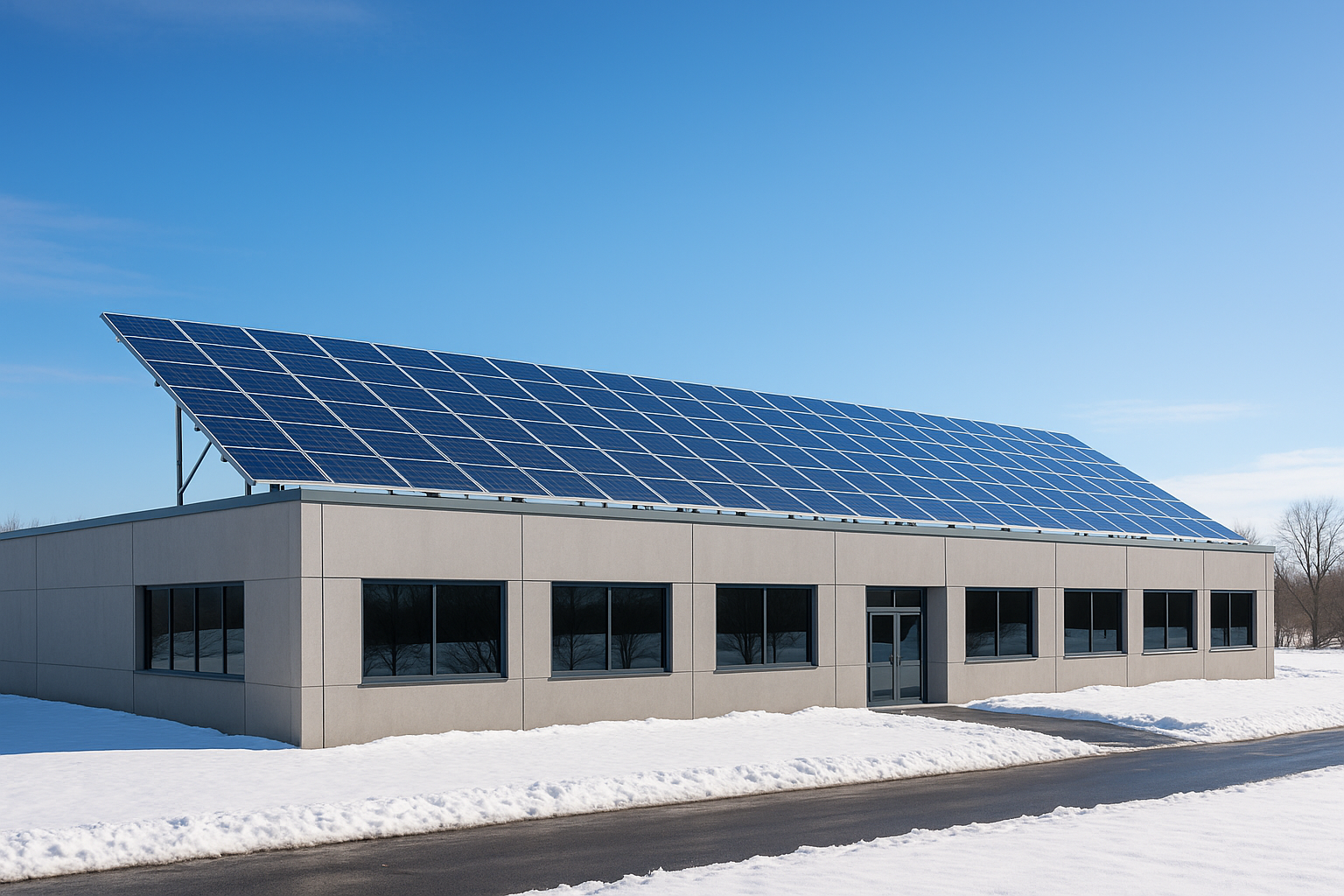
With rising energy costs and growing sustainability requirements, more UK businesses are investing in commercial solar panels and battery storage systems. For organisations in Hampshire, Surrey and Berkshire, solar energy offers long-term cost savings, energy resilience, and reduced reliance on the grid.

Below, we answer the five most common questions businesses ask before investing in solar and battery storage.

1. How Much Does Commercial Solar & Battery Storage Cost?

The cost of a commercial solar and battery storage system depends on:

  • Roof covering type

  • Land size

  • Battery capacity required

  • Grid connection requirements

For most UK businesses, solar panels deliver a payback period of 4–7 years, with battery storage improving savings by increasing self-consumption and reducing peak electricity charges.


2. Is Solar & Battery Storage Worth It for My Business?

Yes — particularly for businesses that:

  • Operate during daylight hours

  • Have high electricity usage

  • Want predictable energy costs

  • Aim to improve ESG or sustainability credentials

Battery storage allows businesses to:

  • Store excess solar energy

  • Reduce peak demand charges

  • Improve resilience during grid outages

Although energy stored in batteries can be below consumption level, solar systems are especially valuable for manufacturing, logistics, offices, retail, and warehouses.

Case study highlight:
UKGEI installed a solar and battery storage system at a sports ground, enabling outdoor lighting to be powered sustainably while reducing grid dependency. The battery system stores solar energy during the day and releases it during evening events, dramatically lowering operating costs and carbon emissions.


3. Do Businesses Need Battery Storage with Solar Panels?

Battery storage isn’t mandatory — but it significantly improves system performance.

Without batteries:

  • Excess solar is exported to the grid at lower rates

With batteries:

  • Energy is stored and used when prices are highest

  • Grid reliance is reduced

  • Overall return on investment improves

For many businesses in Surrey and Berkshire, battery storage is particularly effective where peak tariffs apply.

Real-world example:
One UKGEI commercial client invested in multiple battery storage units to protect their operations from inconsistent grid supply and peak-time disruptions. The system now stores energy during low-cost periods and releases it during outages and demand spikes — ensuring continuity and operational stability.


4. Are There Grants or Tax Incentives for Commercial Solar?

Although there is no single nationwide grant, UK businesses can benefit from:

  • Annual Investment Allowance (AIA) — claim up to £1 million against taxable profits*

  • Smart Export Guarantee (SEG) — payments for exported energy

  • Local authority or sector-specific funding (varies by region)


5. How Long Does Commercial Solar Installation Take?

A typical commercial solar project includes:

  1. Energy assessment and system design

  2. DNO approval (if required)

  3. Installation and commissioning

Most installations take a few weeks to a few months, depending on system size and grid approvals. Many rooftop commercial solar systems fall under permitted development, meaning planning permission isn’t usually required.


Conclusion: Solar & Battery Storage for Businesses in Hampshire, Surrey & Berkshire

Commercial solar and battery storage systems offer businesses:

  • Lower energy costs

  • Increased energy security

  • Improved sustainability credentials

If your business operates in Hampshire, Surrey or Berkshire, UKGEI can provide a site-specific feasibility study, tailored design, and full installation service.

Speak to UKGEI today to find out how much your business could save with solar and battery storage.

*AIA applies to qualifying plant and machinery only. Relief is capped at £1m per accounting period and subject to HMRC rules and business eligibility see here.


Proven Commercial Solar & Battery Projects

UKGEI has delivered commercial solar and battery storage systems across a wide range of sectors — from warehouses and sports facilities to critical infrastructure sites requiring energy resilience.

  • Battery storage for inconsistent grid supply

  • Solar and battery systems for outdoor lighting

  • Commercial solar installations improving EPC ratings


Frequently Asked Questions About Commercial Solar & Battery Storage

Is solar and battery storage worth it for UK businesses?

Yes. Commercial solar and battery storage systems can reduce electricity costs, improve energy resilience, and support sustainability goals. Returns are often strongest where energy use is high and battery storage can reduce peak demand charges.

How much do commercial solar panels cost in the UK?

Costs vary depending on system size, energy usage, roof or ground conditions, and grid requirements. Most commercial systems deliver a strong long-term return, and battery storage can improve savings by increasing the amount of solar energy you use on site.

Do businesses need battery storage with solar panels?

Battery storage isn’t essential, but it can significantly improve performance. It stores excess solar generation for later use, reduces reliance on the grid, and can help protect operations during outages or periods of inconsistent supply.

Are there tax incentives for commercial solar installations?

In many cases, yes. UK businesses may be able to claim Annual Investment Allowance (AIA) on qualifying solar and battery investments, and you may also earn payments for exported electricity through the Smart Export Guarantee (SEG), depending on your setup.

How long does it take to install commercial solar panels?

Typical timelines range from a few weeks to a few months depending on system size, site access, and whether Distribution Network Operator (DNO) approval is required. Many rooftop systems can be installed with minimal disruption.

Can solar panels improve a commercial building’s EPC rating?

Yes. Solar PV can improve EPC performance by reducing carbon emissions and lowering a building’s energy demand, which can make the property more attractive to tenants and support better leasing outcomes.

Can solar and battery storage power outdoor lighting or facilities?

Yes. Solar and battery storage are ideal for sites like sports grounds where energy use extends into evenings. Solar can generate during the day, while batteries store that energy for use later to power lighting and other loads.

Does UKGEI install commercial solar systems in Hampshire, Surrey and Berkshire?

Yes. UKGEI provides commercial solar panel and battery storage installations across Hampshire, Surrey and Berkshire, including site assessment, system design, installation, and aftercare.

Record Renewable Electricity in 2025: What It Means for the UK’s Energy Infrastructure

Great Britain generated a record amount of renewable electricity in 2025, with wind and solar delivering their highest ever contribution to the national grid. According to recent BBC analysis of provisional data from the National Energy System Operator (NESO), renewables produced more than 127 terawatt hours (TWh) of electricity last year — surpassing the previous record set in 2024.

Wind remained the largest contributor, accounting for nearly 30% of total electricity generation, while solar power saw particularly striking growth, rising by almost a third compared to the previous year. Solar panels generated over 18TWh, helped by the UK’s sunniest year on record and continued expansion of both large solar farms and rooftop installations.

You can read the full BBC analysis here:
Record year for wind and solar electricity in Great Britain

Progress — but not the full picture

These figures highlight genuine progress in the UK’s transition to cleaner power. On roughly one third of days in 2025, renewables supplied at least half of Britain’s electricity — an unthinkable scenario just over a decade ago.

However, the data also underlines a critical challenge. Electricity generation from fossil gas rose slightly in 2025, reaching around 27% of total supply. This increase reflects a combination of higher demand, lower nuclear output, reduced electricity imports and the closure of the UK’s last coal power station.

Record Renewable Electricity in 2025: What It Means for UK Energy Infrastructure

Figure: Illustrative comparison of the UK electricity generation mix in 2015 and 2025, showing the growth of renewable electricity and the reduction in fossil fuel generation. Percentages are based on BBC analysis of National Energy System Operator (NESO) data and historic UK energy statistics.

As a result, overall grid emissions rose marginally compared with 2024 — a reminder that record renewable output does not automatically translate into a fully decarbonised system.

The infrastructure challenge ahead

The government’s clean power target aims for 95% of electricity to come from clean sources by 2030. While renewable deployment is accelerating, experts warn that current progress is not yet on the scale required to meet this ambition.

A major limiting factor is infrastructure.

Renewables such as wind and solar are inherently variable, and the grid must be able to:

  • Store surplus electricity through battery and other storage technologies

  • Move power efficiently across regions via grid reinforcement and upgrades

  • Balance supply during periods of low wind and sunlight without defaulting to fossil fuels

At present, constraints on the network mean renewable generators are sometimes paid to reduce output — an inefficiency that ultimately feeds into consumer costs.

What this means for the energy sector

For the UK energy industry, 2025’s figures send a clear message:

  • Renewable generation is no longer marginal — it is central

  • Grid modernisation is now as important as generation capacity

  • Investment in storage, flexibility and transmission will determine whether clean power targets are achievable — and affordable

While renewable electricity is among the cheapest forms of generation, the transition must be supported by the right infrastructure to ensure reliability, resilience and long-term cost reduction for consumers.

Looking ahead

The record renewable output of 2025 is a milestone worth recognising. But it is also a reminder that the next phase of the UK’s energy transition will be defined less by headline generation figures — and more by the infrastructure that supports them. Grid capacity, storage, flexibility and long-term system planning will be critical in turning renewable growth into a resilient, affordable energy system.

UKGEI will continue to track what these trends mean for the UK’s energy and infrastructure sectors.
Follow us for insight and analysis on the transition to a cleaner, more resilient power system.

Frequently Asked Questions

Why did renewable electricity generation increase in the UK in 2025?

Renewable electricity generation increased in 2025 due to continued investment in wind and solar capacity, the expansion of large-scale solar farms and rooftop installations, and favourable weather conditions, including the UK’s sunniest year on record.

How much of the UK’s electricity came from renewables in 2025?

In 2025, renewable sources including wind, solar, hydro and biomass generated more than 127 terawatt hours of electricity in Great Britain, accounting for around half of total electricity generation on some days.

Why does the UK still rely on gas for electricity generation?

The UK continues to rely on gas-fired power stations to meet electricity demand when renewable output is low, particularly during periods of low wind and limited sunlight. Gas currently provides flexibility and reliability while alternative solutions such as large-scale storage and grid upgrades are developed.

Is the UK on track to meet its clean power target by 2030?

While renewable deployment is increasing, experts suggest the UK is not yet on track to meet its target of 95% clean electricity by 2030 without faster progress in grid infrastructure, energy storage, system flexibility and low-carbon baseload generation.

What infrastructure is needed to support more renewable energy?

Supporting higher levels of renewable energy requires significant investment in electricity grid reinforcement, battery storage and other flexibility technologies, improved transmission capacity, and systems that balance supply and demand across regions.

How does renewable electricity affect energy bills in the UK?

Renewable electricity is among the cheapest forms of new power generation, but short-term infrastructure upgrades and grid constraints can add costs. Over time, increased renewable capacity is expected to reduce exposure to volatile fossil fuel prices and help stabilise energy bills.

Why the New Year Is the Best Time to Review Energy Costs and Start a Smarter Green Energy Journey

The New Year is a time for fresh starts, better planning, and smarter financial decisions. For homeowners and businesses alike, it’s also the perfect moment to review energy costs and take control of how electricity is generated, stored, and used.

With energy prices continuing to fluctuate and sustainability becoming a priority for households and organisations across the UK, investing in solar panels, battery storage, and EV charging has never made more sense. At UKGEI, we design fully app-controlled renewable energy systems for domestic and commercial customers – and as a brand-agnostic installer, we always put the solution first.

Why Review Your Energy Costs in the New Year?

January is a natural checkpoint for both households and businesses. It’s when:

  • Annual budgets are reviewed

  • Energy contracts are reassessed

  • Winter energy usage is at its highest

For homeowners, this often highlights how much energy is being bought from the grid during expensive peak periods. For businesses, rising electricity costs can significantly impact operating margins.

A New Year energy review helps identify:

  • Where energy is being wasted

  • When peak tariffs are affecting bills

  • How much could be saved by generating and storing power on-site

Solar Panels: Clean Energy for Homes and Businesses

Installing solar PV systems allows you to generate your own renewable electricity directly from your roof, reducing reliance on the grid.

Domestic solar benefits:

  • Lower electricity bills

  • Reduced exposure to energy price rises

  • Increased property value

  • Cleaner, greener living

Commercial solar benefits:

  • Significant long-term cost savings

  • Improved energy security

  • Reduced carbon footprint and ESG impact

  • Strong ROI for warehouses, offices, retail, and industrial sites

Solar is the foundation of any green energy journey – but its true potential is unlocked when combined with battery storage.

Battery Storage: Use Your Energy When You Need It Most

Battery storage systems allow you to store excess solar energy rather than exporting it back to the grid.

This means you can:

  • Use stored energy in the evenings or during peak tariff periods

  • Reduce grid dependence

  • Maximise solar self-consumption

  • Protect against future energy price increases

For commercial users, battery storage can also:

  • Reduce peak demand charges

  • Support load shifting

  • Improve resilience during grid instability

Battery storage turns renewable energy into a reliable, controllable asset.

EV Chargers for Homes and Businesses

With electric vehicles becoming the norm, installing EV chargers is a smart move for both domestic and commercial properties.

Home EV charging:

  • Convenient overnight charging

  • Lower running costs

  • Ability to charge using solar and stored energy

Commercial EV charging:

  • Support fleet electrification

  • Provide charging for staff and customers

  • Future-proof your site as EV adoption grows

When integrated with solar panels and battery storage, EV charging becomes even more cost-effective and sustainable.

One App to Control Your Solar, Battery, and EV Charger

Modern renewable energy systems aren’t just about hardware – they’re about smart control.

UKGEI systems are managed through a single, intuitive app, giving you full visibility and control over your energy.

With app-based energy management, you can:

  • Monitor energy generation and consumption in real time

  • Control battery charging and discharging

  • Schedule EV charging during off-peak or solar-rich periods

  • Optimise energy usage automatically

For businesses, this data is invaluable for tracking performance and improving efficiency across sites.

Brand-Agnostic Energy Solutions Designed Around You

One of the key differences with UKGEI is that we are completely brand agnostic.

This means:

  • We don’t push a single manufacturer

  • We design systems based on your building, usage, and goals

  • We select proven technologies that work best together

  • We future-proof installations so they can be expanded later

Whether you’re a homeowner starting your green journey or a business investing in long-term energy resilience, our approach ensures you get the right solution – not a one-size-fits-all system.

The New Year Is the Time to Take Control of Your Energy

Reviewing energy costs at the start of the year puts you in control for the next 12 months and beyond. By investing in solar panels, battery storage, and EV chargers, you can reduce bills, improve sustainability, and protect yourself from future price uncertainty.

For domestic and commercial customers across the UK, UKGEI delivers intelligent, app-controlled renewable energy systems built around your needs.

Contact UKGEI today to start your New Year energy review and take the first step towards a smarter, greener future.

Frequently Asked Questions FAQs

  • Yes. The New Year is an ideal time to review energy costs as it aligns with budgeting, contract renewals, and peak winter usage. It allows homeowners and businesses to identify savings opportunities early and plan long-term energy improvements.

  • Yes, solar panels work all year round, including winter. While output is lower than in summer, panels still generate electricity during daylight hours. Cold temperatures can actually improve panel efficiency, especially on bright winter days.

  • Battery storage allows you to store excess solar energy and use it when electricity prices are highest. This helps reduce reliance on the grid, lower energy bills, and maximise the value of your solar system for both domestic and commercial properties.

  • Yes. When combined with solar panels and battery storage, an EV charger can use renewable energy generated on-site. This significantly reduces charging costs and lowers the environmental impact of driving an electric vehicle.

  • An app-controlled system allows you to monitor and manage solar generation, battery storage, and EV charging in one place. You can track energy usage in real time, schedule charging, and optimise when stored energy is used.

  • Being brand agnostic means UKGEI selects equipment based on performance, compatibility, and suitability — not manufacturer loyalty. This ensures each system is tailored to the property, energy usage, and future requirements.

  • Yes. Commercial solar and battery systems are ideal for offices, warehouses, retail units, and industrial sites. They help reduce operating costs, support sustainability goals, and improve long-term energy resilience.

  • Yes. UKGEI designs systems with future expansion in mind, allowing additional solar panels, battery capacity, or EV chargers to be added as energy needs grow.

Even Santa Knows the Future is Green

This Christmas, we’re spreading festive cheer with a little help from clean energy. From EV-powered sleighs and fully charged Rudolphs to solar panels working even on snowy days, our latest video shows how renewable energy keeps everything running smoothly — even at the North Pole.

At UK Green Energy Installations, we believe smart energy solutions aren’t just for Christmas — they’re for all year round. Whether it’s solar panels, battery storage, or EV charging, we’re helping homes across the UK stay powered, efficient, and future-ready.

Do Solar Panels Work in Winter? Why Modern Systems Keep Producing Power Year-Round

When temperatures drop and the skies turn grey, many homeowners wonder whether their solar panels still generate electricity. It’s a common misconception that solar only works in hot, sunny weather — but the truth is far more reassuring.

Modern solar-panel systems continue to produce electricity throughout winter, even when it’s cold, cloudy, or overcast. That’s because solar panels rely on daylight, not heat, to create energy.

In fact, cool temperatures can actually make panels perform more efficiently.

Why Solar Panels Still Work in Winter

1. Solar panels need light, not heat

Solar photovoltaic (PV) panels absorb photons from daylight. While bright sunshine maximises output, any available daylight — even diffused light on cloudy days — generates electricity.
This means your system won’t shut down just because the weather isn’t picture-perfect.

2. Cold weather boosts performance

Electronics generally operate better in cooler temperatures, and solar PV is no exception. Extreme heat can reduce efficiency, so winter’s crisp conditions can actually help panels work more effectively.

3. Cloudy and overcast? They still produce power

Clouds scatter sunlight, but they don’t eliminate it. Modern solar panels are designed to capture diffuse light, maintaining steady production. While output may be lower than in summer, you’ll still see meaningful energy generation.

4. Shorter days don’t stop the savings

Winter brings fewer daylight hours, meaning naturally less total energy. However, pairing your solar panels with a battery storage system ensures the energy you generate during the day can be used whenever you need it — evening, overnight, or during peak-rate periods.

5. Snow isn’t usually an issue

In the UK and many regions, heavy snow is rare. Even when it does fall, panels are angled so snow slides off, and the dark glass surface warms slightly when sunlight hits it, helping melt snow quickly.

Planning Ahead Matters — Especially for Commercial Three-Phase Systems

If you’re installing a commercial solar system that uses a three-phase connection, there’s an additional step to consider: your system must go through DNO (Distribution Network Operator) approval.

This approval ensures the local electricity network can safely accommodate the amount of power your system will generate. However:

  • Approval times vary by region, depending on how busy your local DNO is.

  • In some areas, this process can take weeks or even several months.

  • No commercial system can be energised until approval is granted.

That’s why planning now is essential.

Starting the process in winter means you’re far more likely to have approval in place — and your installation ready to go — by spring, when solar generation rapidly increases and the longer days begin to boost your savings.

Real Benefits of Winter Solar

Despite seasonal variations, homeowners with solar PV enjoy:

  • Lower electricity bills all year

  • Reduced reliance on the grid

  • Protection from rising energy prices

  • A smaller carbon footprint

  • Increased property value

Winter may change the amount of energy your panels produce, but it doesn’t stop them working — and it certainly doesn’t stop you saving.

Ready to Explore Solar for Your Property or Business?

We’d love to hear your plans for solar and see how we can help with your project. Now is a great time to get the ball rolling.