
As energy prices continue to fluctuate and more homeowners invest in solar panels and electric vehicles, home battery storage is becoming one of the most talked-about energy upgrades in the UK.
But with so many systems, sizes, and brands available, choosing the right battery can quickly become confusing.
Should you get battery storage without solar? What size battery do you actually need? Is it worth it for EV charging? And how much should you expect to spend?
This guide explains everything UK homeowners need to know before investing in battery storage.
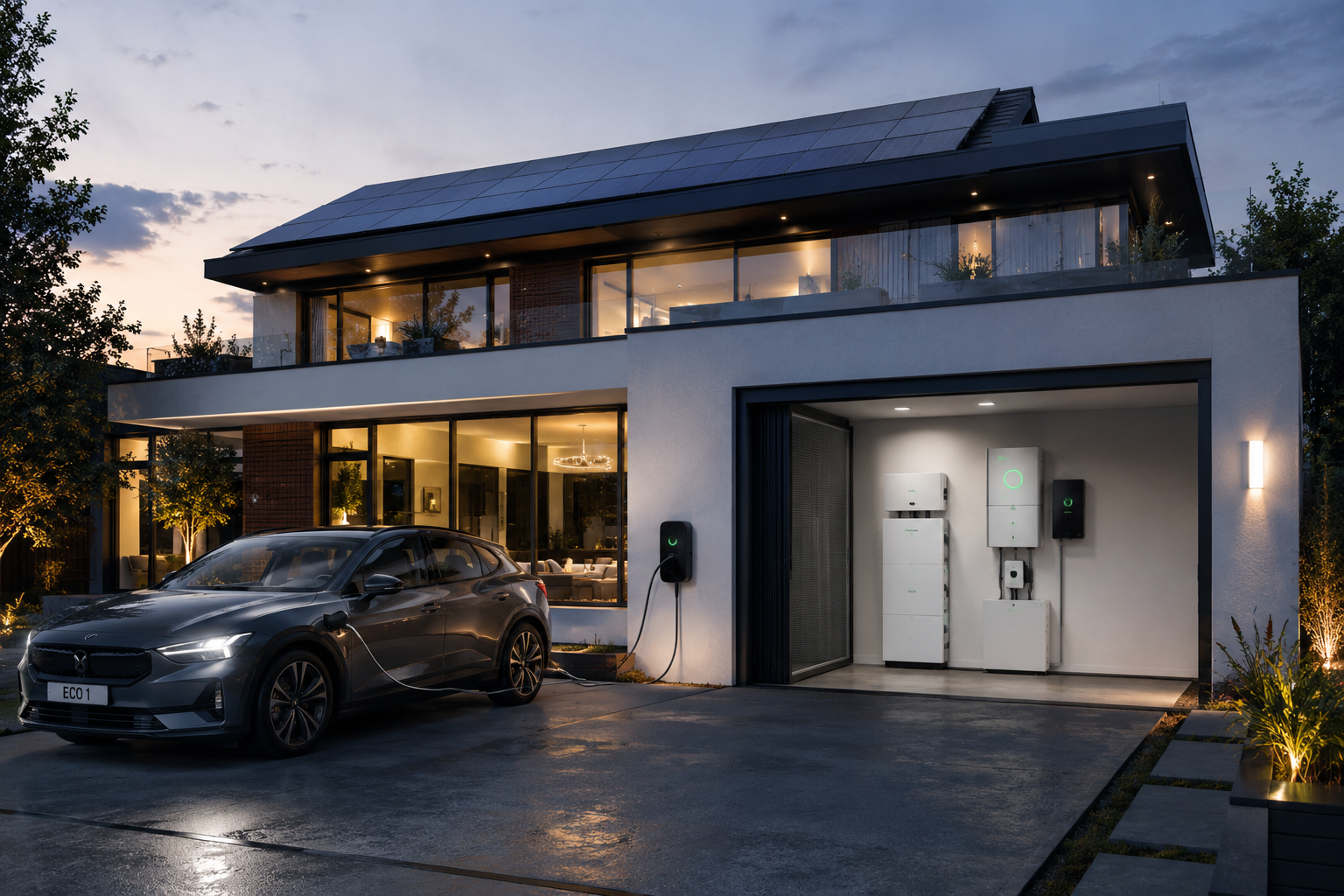
What Does a Home Battery Storage System Actually Do?
A battery storage system stores electricity so you can use it later instead of taking power from the grid at peak times.
Most homeowners use battery storage in one of two ways:
To store excess solar energy generated during the day
To charge overnight on cheaper electricity tariffs and use that energy during the day
The result is lower electricity bills, better energy independence, and reduced reliance on expensive peak-rate electricity.
Is Battery Storage Worth It?
For many UK homes, yes especially as smart tariffs and EV ownership continue to grow.
Battery storage is often most worthwhile for:
Homes with solar panels
Families with higher evening electricity usage
EV owners
Homes on off-peak tariffs like Octopus Go or Agile
Households wanting protection from rising energy costs
However, battery storage may be less cost-effective for:
Very low electricity users
Homes with little daytime or evening demand
Properties without access to smart tariffs
The biggest savings usually come when batteries are combined with either solar panels or cheaper overnight charging rates.
See how much homeowners could save.
Can You Have Battery Storage Without Solar Panels?
Absolutely and it’s becoming increasingly common.
Many homeowners now install battery systems purely to take advantage of time-of-use tariffs. The battery charges overnight when electricity is cheaper and then powers the home during peak-rate periods.
This can work particularly well for:
EV owners
Homes with electric heating
People working from home
Households with high daytime usage
Battery storage is no longer just a “solar add-on” it can be a standalone money-saving system.
Solar Battery Storage: How It Works
If you already have solar panels, adding battery storage allows you to store unused electricity generated during the day instead of exporting it back to the grid.
Without a battery, much of your solar generation may be sent back to the grid for a relatively low export payment.
With a battery, you can:
Use more of your own solar energy
Reduce electricity imported from the grid
Increase savings from your solar system
Charge EVs using solar energy
Keep more control over your energy usage
For many homeowners, battery storage is what makes solar panels feel truly worthwhile.
What Size Battery Do You Need?
This is one of the most important questions and one of the biggest factors affecting cost.
Battery capacity is measured in kWh (kilowatt-hours). The higher the number, the more electricity the battery can store.
The right size depends on:
Your daily electricity usage
Whether you have solar panels
If you own an EV
Whether you want backup power
Your budget
Typical Battery Sizes for UK Homes
| Household Type | Recommended Battery Size |
|---|---|
| Flat or low-usage home | 3–5kWh |
| Average 3-bedroom home | 5–10kWh |
| Solar + family home | 8–12kWh |
| Home with EV charger | 10–15kWh |
| Large property / heat pump | 15kWh+ |
Bigger isn’t always better.
Oversizing a battery can mean paying for storage capacity you rarely use. A good installer should assess your energy usage and recommend a system based on real consumption patterns.
Battery Storage and EV Chargers
Battery storage and EV chargers work extremely well together.
An electric vehicle can significantly increase household electricity usage, so many EV owners use batteries to reduce charging costs.
A home battery can:
Store cheap overnight electricity for EV charging
Store excess solar power for daytime charging
Reduce peak-rate charging costs
Help manage overall household energy demand
Homes with EV chargers typically benefit from larger battery capacities, particularly if charging daily.
As EV ownership continues to grow in the UK, battery storage is becoming an increasingly popular companion technology.
What Are the Different Types of Home Batteries?
Most modern home battery systems use lithium-based technology, but there are still differences between systems.
Lithium Iron Phosphate (LFP)
This is now the most common option for residential battery storage.
Advantages:
Longer lifespan
Improved safety
Better thermal stability
Excellent for daily charging cycles
Most modern premium battery systems now use LFP technology.
Lithium-Ion / NMC Batteries
These are still used in some systems and offer high energy density in a compact size.
Advantages:
Compact design
High performance
Downsides:
Slightly shorter lifespan
Less thermally stable than LFP
Lead-Acid Batteries
Older technology that is now much less common in UK residential installations.
They are generally:
Larger
Less efficient
Shorter lasting
Most homeowners today choose lithium-based systems due to better long-term performance.
How Much Does Home Battery Storage Cost?
Battery storage prices vary depending on:
Battery size
Brand
Inverter requirements
Backup power capability
Installation complexity
Typical UK Installed Costs
| Battery Size | Approximate Installed Cost |
|---|---|
| 3–5kWh | £2,500–£4,500 |
| 5–10kWh | £5,000–£7,500 |
| 10–15kWh | £8,000–£10,500+ |
Premium systems with smart controls, backup functionality, or modular expansion typically cost more.
While the upfront investment can seem significant, many homeowners offset costs through:
Reduced electricity bills
Smart tariff savings
Increased solar self-consumption
EV charging savings
How Long Do Home Batteries Last?
Most quality home battery systems now come with:
10–12 year warranties
6,000+ charging cycles
Capacity guarantees of around 70–80%
For most households, that translates to well over a decade of everyday use.
LFP batteries generally offer the best long-term lifespan.
Popular Home Battery Brands in the UK
Some of the most recognised battery storage brands currently available in the UK include:
Fox ESS
Alpha ESS
SolarEdge
Enphase
The “best” system depends less on brand alone and more on:
Your energy usage
Compatibility with solar or EV charging
Smart tariff integration
Expandability
Budget
A good installer should recommend a system based on your home’s specific requirements — not simply the most expensive option.
Final Thoughts
Battery storage can be a fantastic investment for the right home, particularly when paired with solar panels, smart tariffs, or EV charging.
The key is choosing a system that matches your:
Electricity usage
Future plans
Budget
Property setup
For many UK homeowners, battery storage is no longer just about sustainability it’s about reducing bills, increasing energy independence, and future-proofing the home against rising energy costs.
If you’re considering battery storage, professional advice and a tailored system design are essential to getting the best long-term value.