
As temperatures start to fall, homeowners with outdoor battery storage systems may wonder whether their battery needs additional protection from frost, rain and freezing temperatures.
Modern home batteries are designed to cope with changing weather conditions, but cold temperatures can affect how lithium batteries charge and operate.
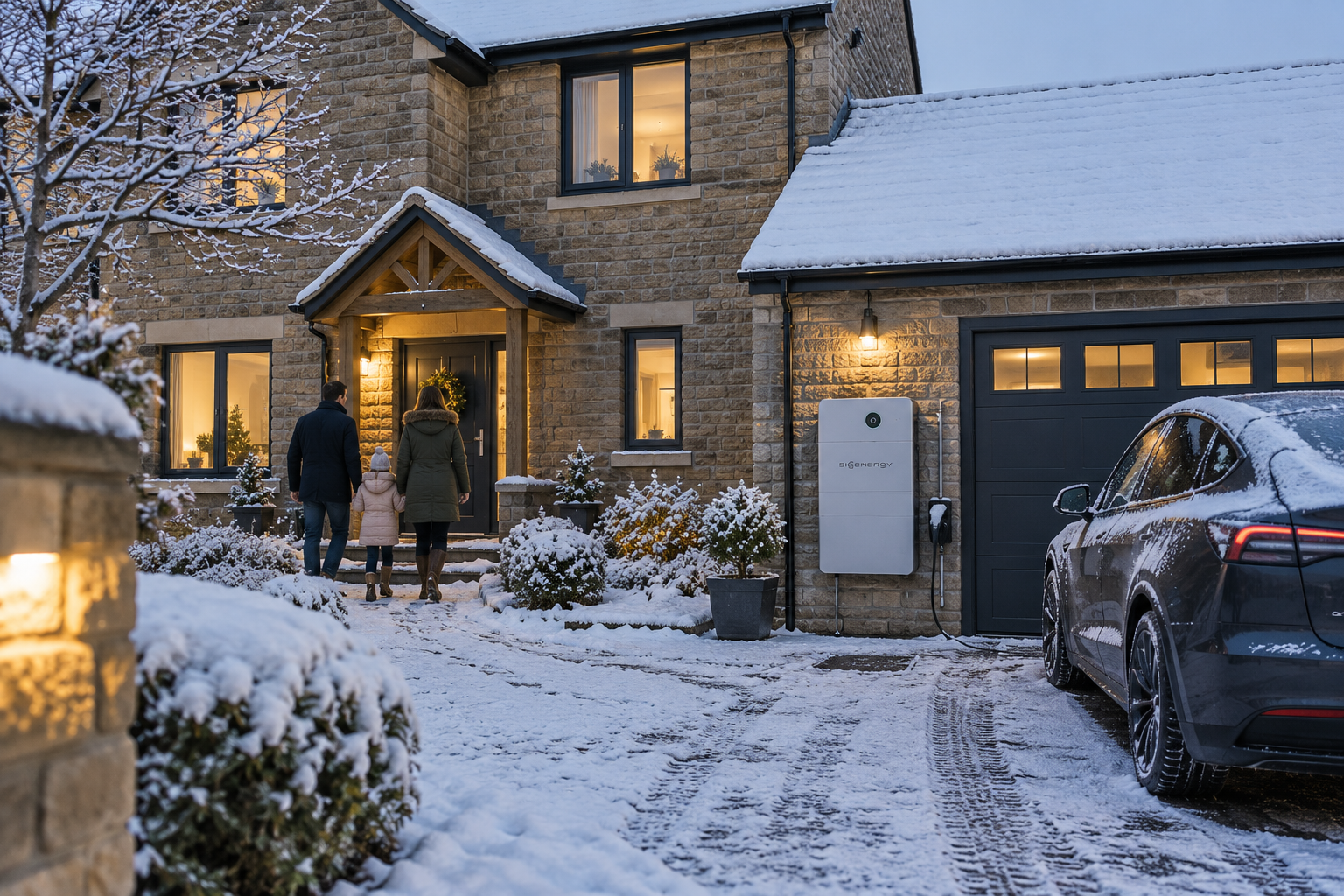
If you have a Sigenergy SigenStor, the system has been designed with outdoor installation in mind, combining an IP66 rating with intelligent temperature management and built-in battery heating. However, where your battery is positioned and how exposed it is to the elements can still be worth considering before winter arrives.
What Happens to Your Battery When Temperatures Drop?
Lithium battery performance is affected by temperature, particularly when it comes to charging in very cold conditions.
Sigenergy has addressed this with a built-in heating system in the SigenStor battery.
SigenStor has a specified operating temperature range of -20°C to 55°C. When the battery temperature falls below 0°C, the system can automatically use its heating module to warm the battery before charging.
This process uses some energy, so you may occasionally notice different behaviour or additional consumption during particularly cold weather.
Importantly, you don't normally need to manually activate a special winter mode. SigenStor monitors and manages its battery temperature automatically.
Can a Sigenergy Battery Stay Outside in Winter?
Yes. SigenStor is designed for indoor or outdoor installation and has an IP66 ingress protection rating.
But what does IP66 actually mean?
The first 6 – Dust: the enclosure is dust-tight.
The second 6 – Water: the enclosure provides protection against powerful water jets.
This provides a high level of protection against dust and water ingress and is one of the reasons SigenStor can be installed outdoors when installed in accordance with Sigenergy's requirements.
However, an important distinction is that IP66 doesn't mean temperature-proof.
An IP rating relates to protection against solids and water. Cold temperatures are dealt with separately through the battery's operating limits and temperature-management system.
Put simply:
IP66 → protects against dust and water ingress
Battery temperature management → helps the battery cope with cold operating conditions
Should You Protect an Outdoor Battery?
Because SigenStor is IP66-rated, there is no need to put it inside a box simply to protect it from normal British rain.
However, not every outdoor installation experiences the same conditions.
A battery installed in a particularly exposed position may experience more driving rain, snow, wind and direct weather than one installed in a sheltered position alongside a property.
In these situations, some additional weather protection may be worth considering.
Could You Use a Wooden Slatted Screen?
A suitably designed wooden slatted screen or small canopy could provide additional shelter for an exposed outdoor battery without completely enclosing it.
The important distinction is shelter rather than enclosure.
A suitable structure could potentially incorporate:
timber slats rather than solid walls;
a small roof or canopy;
plenty of airflow around the equipment;
appropriate clearance around the battery; and
unrestricted access for inspection and servicing.
Always check the manufacturer's installation requirements and clearances before building anything around battery equipment.
Don't Completely Enclose Your Battery
Wrapping a battery in insulation or building a tightly enclosed wooden box around it could do more harm than good.
SigenStor uses natural convection for cooling, so airflow remains important.
And don't design your battery protection just for January.
A structure intended to protect equipment during freezing winter weather could potentially trap heat during a hot summer day if it is too enclosed.
A slatted design can therefore make sense because it can provide some protection from direct weather while maintaining ventilation.
Let Sigen AI Adapt to Changing Winter Conditions
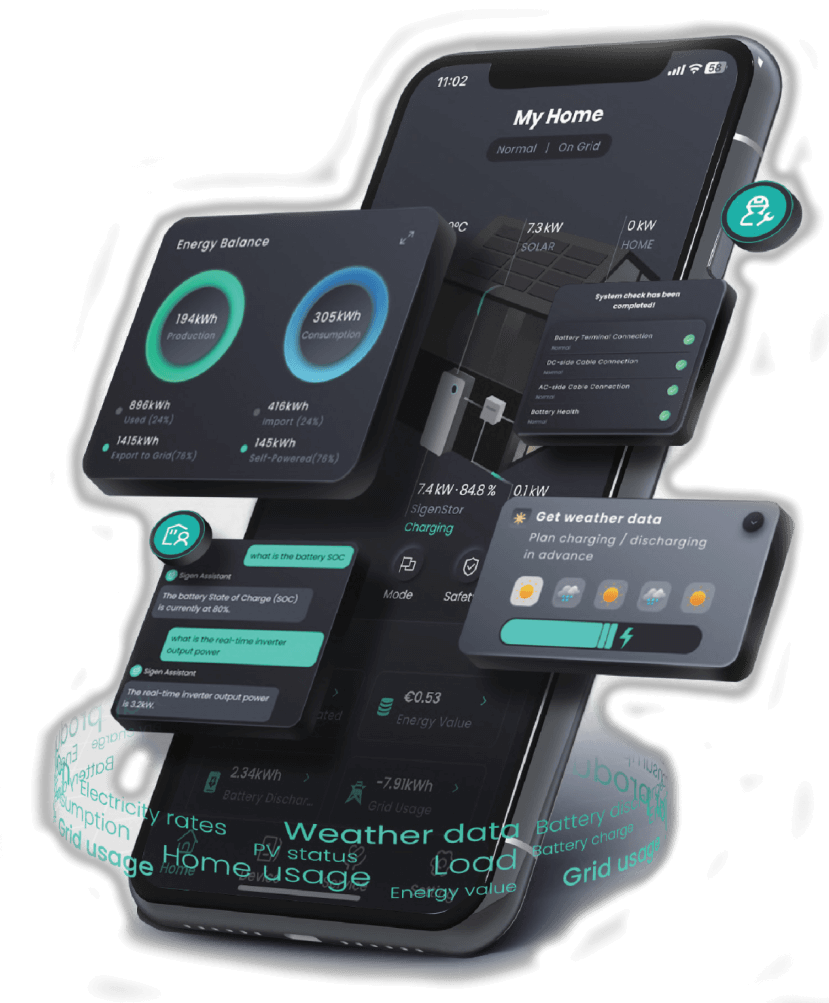
Winter doesn't just bring colder temperatures. Shorter days, changing weather and reduced solar generation can all affect when it makes most sense to charge and use your battery.
For SigenStor owners using Sigen AI Mode, much of this energy management can be automated.
Sigen AI uses information including local weather conditions, electricity prices and your household's energy-use patterns to help optimise how energy is generated, stored and used.
This can be particularly useful during winter, when solar generation can vary significantly from one day to the next and households may rely more heavily on electricity from the grid.
Rather than relying solely on a fixed charging schedule, Sigen AI can adapt the system's energy strategy to changing conditions – helping determine when it makes sense to store solar energy, use energy from the battery or take advantage of lower-cost grid electricity.
You can monitor your system, battery status, energy flows and costs through the mySigen app, giving you a clearer picture of how your home is using energy throughout the winter.
Sigen AI uses forecasts, electricity pricing and household energy patterns to help optimise when your SigenStor charges, stores and uses energy.
Your Winter Battery Checklist
Before the first really cold weather arrives, it's worth giving an outdoor battery installation a quick visual check:
Remove fallen leaves and debris from around the equipment.
Don't stack garden furniture, bins or other objects against the battery.
Keep the area around the installation clear.
Make sure any existing screen or shelter isn't restricting airflow.
Check that your battery is still communicating normally with its monitoring app.
Don't wrap or cover the battery in an attempt to keep it warm.
Check the app if you notice unusual battery behaviour or warning messages.
For SigenStor owners, keeping an eye on the mySigen app can help you understand what your battery is doing as temperatures change.
If you see persistent warnings or something doesn't look right, contact your installer rather than attempting to modify or dismantle the system yourself.
Review How You Use Your Battery During Winter
It's not only temperature that changes during winter – the way you use your battery may change too.
Shorter days mean less solar generation, while household electricity consumption can increase.
If you're on a time-of-use electricity tariff, winter may therefore be a good time to review your battery settings. Charging with lower-cost off-peak electricity and using that stored energy during more expensive periods can potentially reduce the amount of peak-rate electricity you buy from the grid.
The best strategy will depend on your electricity tariff, household consumption, solar generation and battery system.
Planning a New Battery Installation? Think About Location
If you're considering a new home battery, thinking about winter before the battery is installed is much easier than trying to protect a poorly positioned battery afterwards.
A good battery installation should take into account factors such as:
exposure to the weather;
direct sunlight;
manufacturer clearances and ventilation;
access for maintenance;
protection from accidental impact; and
the most appropriate location for the property.
At UK Green Energy Installations, these factors form part of designing a battery storage system that can work effectively throughout the year – not just during ideal weather.
Getting Your Battery Ready for Winter
Modern home batteries are designed to operate throughout the seasons, so the first frost doesn't mean you need to start wrapping up your battery.
For Sigenergy SigenStor, IP66 ingress protection helps protect the equipment against dust and water, while intelligent temperature management and built-in battery heating help manage cold operating conditions.
For particularly exposed installations, a properly designed slatted screen or canopy may provide additional shelter – but maintaining airflow, clearances and manufacturer installation requirements should always come first.
If you're unsure about an existing outdoor battery installation, speak to your installer before adding a cover, screen or other structure around the equipment.
Looking for Home Battery Storage?
UK Green Energy Installations (UKGEI) designs and installs home battery storage systems across Hampshire, Surrey and Berkshire, including Sigenergy SigenStor.
Whether you're considering battery storage alongside new solar panels, adding a battery to an existing solar PV system or want advice about the best location for an outdoor battery, our team can help.
Frequently Asked Questions
Can a Sigenergy battery be installed outside?
Yes. Sigenergy SigenStor is designed for indoor and outdoor installation and has an IP66 rating, providing a high level of protection against dust and water ingress. Outdoor installations should still follow Sigenergy's requirements for positioning, clearances and ventilation.
Does cold weather affect home battery storage?
Yes. Very low temperatures can affect how lithium batteries charge. Sigenergy SigenStor incorporates intelligent temperature management and built-in battery heating, allowing the system to warm the battery when necessary before charging.
Should I cover my outdoor battery in winter?
You shouldn't wrap, insulate or completely enclose a home battery. For a particularly exposed installation, a suitably designed ventilated slatted screen or canopy may provide additional shelter, provided manufacturer clearances, airflow and access are maintained. Always check the manufacturer's installation requirements before adding anything around your battery.
Does Sigenergy SigenStor have a winter mode?
SigenStor doesn't require you to manually switch on a conventional winter mode. The system monitors battery temperature and can automatically use its built-in heating system when conditions require it, helping prepare the battery for charging in very cold temperatures.